Let’s Stop Lying and Stop Using the Words Euthanize and Animal Shelter

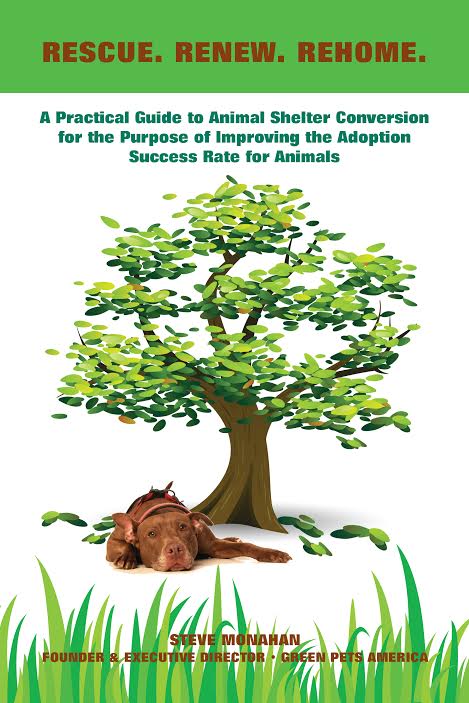
In our book RESCUE RENEW REHOME we laid out 20 intelligently thought out points to dramatically increase homeless pet adoptions in America. A 20 point program to end the killing of 4 million dogs and cats in our animal shelters each year. For this article we want to share with you point number #20.
10-16 - 2014 Revised Book Cover from DD

 To me this was the most difficult point to create. While the others are logical and use un-common, common sense, developed in our 10 years in dog rescue this last point was the hardest to say out loud.

I always try to be optimistic. I try to never judge anyone. I practice Zen and meditation and try to always focus on happiness. So this final point has weighed hard on my soul. But I could not write this book unless I expressed what I felt in my heart.

And that is: If we are to finally end the killing of healthy, loving, homeless animals in America we must speak the truth.  We must look inside ourselves and really ask, why do we allow 4 million animals to be killed every year in America?

The first reason we kill shelter animals is because as I said earlier in this book… we are a disposable society. If we don’t like it we get rid of it. If something shinier comes along we get rid of it. If our pet acts out we get rid of it. If we tire of it we get rid of it.

The other reason is because as humans we always prefer to run from and avoid reality…and  then lie to ourselves about it to make ourselves “feel good” rather than speak words of truth and own what we have done.

What are the two lies we tell ourselves?

The two lies are the two words we use to make ourselves feel good about doing something bad…something real bad…killing.

To deny it to ourselves we use two nice sounding words “Shelter” and “Euthanize”


But Shelter is not a truthful word. The definition of a shelter is …a place of safety and refuge. A shelter saves lives and brings help and hope to those that go there. So knowing that – why do we continue to lie to ourselves and use the word “shelter” when our supposed shelters are not shelters?  What do you call a place that kills the homeless beings that come to it? I don’t need to name it, but we all know that “shelter” is not the name.

The other lie we tell ourselves to stay in denial and feel good about ourselves is the word “euthanize“.We tell ourselves that we “euthanize” homeless pets. We should use the word of truth –  which is kill, not the lie of euthanize.

 The definition of euthanize: (Medicine) to kill (a person or animal) painlessly, esp to relieve suffering from an incurable illness.

What incurable illness do our 4 million homeless animals have?  What suffering do these 4 million homeless animals endure? And the procedure most shelters use is not a 2 step euthanize, but a one step. And that one step is not painless!  What we are doing is killing. We must stop killing and stop using the word euthanize.

We must be honest with ourselves and our children and talk words of truth. The truth shall set you free. And if we start telling the truth we will set our souls free from the horrible burden we are bringing upon our society, by allowing innocent animals to be killed, while we use words that lie, keep us in denial and cover it up.

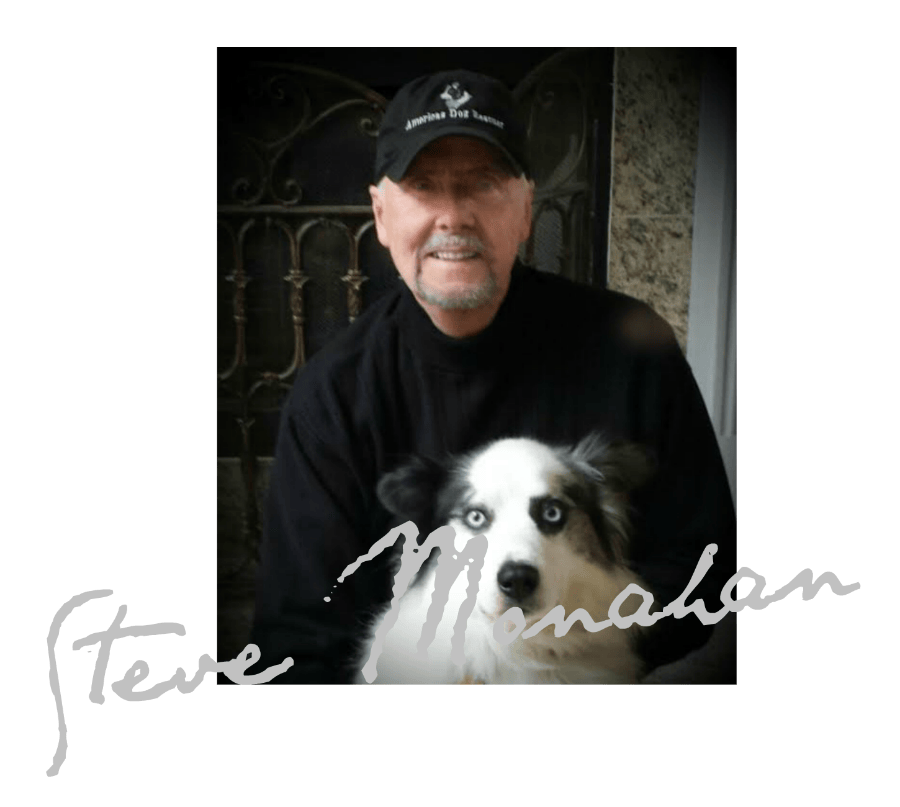
Steve Monahan, founder

Green Pets America
GPA Charities FB

Author RESCUE RENEW REHOME

10-16 - 2014 Revised Book Cover from DD

A New Model of Innovation – Compassionate No-Kill Community Animal Shelters

Jack Russell Terrier Picture GPA

No Kill is an innovative, cost-effective model of animal sheltering that allows open admission animal control shelters to save all healthy and treatable animals. Unlike the “adopt some and kill the rest” form of animal sheltering that has dominated in the United States for the past 100 years and is responsible for the needless deaths of millions of healthy and treatable animals every year, No Kill shelters are saving as high as 99% of all animals entrusted to their care.

How It Works

No Kill shelters implement a series of programs and services collectively known as “The No Kill Equation.” The No Kill Equation decreases a shelter’s impounds and increases a shelter’s reclaims while vastly expanding adoptions. The programs of the No Kill Equation include augmenting paid staff with community volunteers, foster care for sick, injured, unweaned or traumatized animals, neuter and release for feral cats, medical and behavior rehabilitation, partnerships with rescue groups, pet retention and effective public relations among others. When implemented comprehensively and with integrity, these programs are transformative.

Achieving No Kill is not complicated, but it does require replacing the traditional model of animal sheltering which is passive, complacent and plagued by convenience killing, with a proactive, can-do attitude and work ethic that rejects killing. The programs of the No Kill Equation require dedication and effort and for this reason, are sometimes portrayed by the traditional sheltering establishment as “controversial.” They are not. They are simple procedures that Americans would be shocked to learn shelters are not already doing.

When a shelter director says they are “opposed to No Kill, It means they reject foster care in favor of killing, reject vaccinations and medical care in favor of killing, reject knocking on doors to get lost dogs’ home rather than killing, and reject adoptions in favor of killing. In other words, they are advocating killing in the face of readily-available, cost-effective alternatives to killing. The same is true of each and every program of the No Kill Equation, because when a shelter implements them comprehensively, they achieve No Kill.

Success across America There are now hundreds of communities representing roughly 500 cities and towns of every conceivable demographic (rich/poor, conservative/liberal, large/small, Northern/Southern, urban/rural) across America that are saving in excess of 90% of all animals.

They range from new communities which have recently achieved that level of success to communities which did so and have continued to do so for more than a decade; from small communities taking in a few thousand animals to large ones taking in as many as 23,000 animals a year. Even Communities with high rates of impounds, foreclosures, unemployment, poverty and transient populations have achieved save rates in the mid-90th percentile.

The vast majority of communities which have achieved success have done so in six months or less. Over one new community per week saved in excess of 90% of all animals in 2012.

More Cost-Effective Than Killing No Kill is good policy that reduces costs associated with killing, enhances community support, increases user fees such as adoption revenues, and brings in additional tax revenues.

Statistics Disprove the Traditional Excuse for Killing There are roughly three million dogs and cats killed in U.S. shelters annually because they lack a home, but about 23.5 million Americans add a new dog or cat to their households every year. We do not have a “pet overpopulation” problem; we have a market share challenge. When shelters compete for the market share of homes and keep animals alive long enough to find those homes, shelter animals are saved rather than killed.

Consistent with Public Safety Since the No Kill philosophy does not mandate that truly vicious dogs and irremediably ill or injured animals be adopted, it is consistent with public health and safety.

Good Public Policy – Popular with Voters Seven out of 10 American believe that it should be illegal to kill animals in shelters unless those animals are suffering or are dangerous. As such, No Kill is a bipartisan issue with broad public support. A No Kill shelter can be a public, municipal agency and there are many No Kill animal control shelters run by government to prove it.

America’s 4 Million Shelter Animals Deserve Better Regardless of whether or not a shelter director believes No Kill is possible, he/she is obligated to try. Even if a shelter director fails to implement the No Kill Equation to the point that it replaces killing entirely, they will certainly save more animals than they would without it, and that is worth doing.

In short, No Kill is a humane, sustainable, cost-effective model that works hand in hand with public safety while reflecting the compassionate, animal-loving values of the American people. To learn more contact Steve Monahan at Steve@GreenPetsAmerica.org

cropped-gpalogo88-400dpi.jpeg

Free Icon