Corn Is Not For Dogs! Ever Wonder Why?

Corn is not for dogs! Ever wonder why?

Aflatoxin is a naturally occurring by-product of certain fungi that can grow in corn. High doses of aflatoxins result in severe hepatocellular necrosis, and prolonged low dosages result in reduced growth rate and liver enlargement. Signs of ingestion include vomiting, lethargy, diarrhea and possibly jaundice if left untreated for an extended period of time.

Wet conditions can cause corn to become stressed, creating an ideal environment for fungi containing aflatoxin to grow, according to Tina Wismer, DVM, medical director of the American Society for the Prevention of Cruelty to Animal’s Animal Poison Control Center. Because fungi containing aflatoxins grow inside the corn kernels, they are difficult to detect before the corn is processed into food, and pockets of infected food can leave production facilities undetected.

Please look at the labels. This is very serious and in the summer can be a greater risk.

The Dogma Natural Pet Market
8420 Main Street
Woodstock, GA 30188
thedogmaonline@gmail.com
678.460.6DOG(6364)

www.TheDogMaOnline.com = NO CORN!

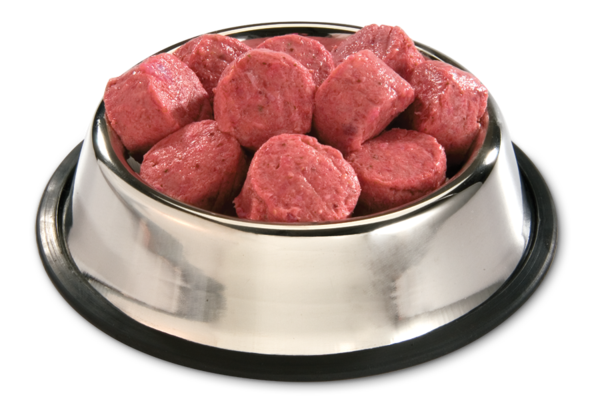
Raw Dog Food Is User Friendly!

Even though raw feeding and natural whole foods is what’s best for our pets some pet owners complain about the difficulties that arise with regard to food storage. Usually, it is the storage problem that stops them from traveling with their pets as often as they would like to because they have to take their pets’ diet into consideration.


The great thing about raw feeding, however, is that new innovations that make storage and traveling with food easier are being designed by food experts everyday! For example, you can get frozen raw dog food, which is dog food that has been frozen soon after slaughter and cleaning. It is frozen in such a way that the food retains all of its freshness and nutrients. This makes it easy to buy and easy to store. Plus, it’s easy to serve! You just need to thaw it out to room temperature, then give it to your pet!


Consider raw dehydrated dog food, which like frozen raw dog food is dehydrated soon after slaughter and cleaning. This type of dog food follows a special dehydration process, which again allows it to retain all of its nutrients. When it comes time to serve your pet, you simply scoop out the recommended amount of dehydrated food and re-hydrate it with some water. Usually, the instructions are on the food packaging. Not only is this easy to store, but it is also easy to carry around, which means your pet can now travel with you and enjoy the benefits of raw dog food! Both of these innovations can be ordered off the Internet and be delivered straight to your home! That makes it really easy for you in terms of buying the products. Plus, you can buy in bulk and not have to worry about how you’re going to get it to your house! Sound like great ideas? Before you jump into these two amazing new trends in the world of raw feeding, learn the basics of it first with Maggie Rhines’ “Going Rawr! Dog Lovers Compendium.” This awesome eBook explains everything you need to know about raw feeding! Check it out now athttp://www.deliciousdogdiet.com/?hop=thedogma.

Image


The Dogma Natural Pet Market

8420 Main Street

Downtown Woodstock, GA 30188

http://www.thedogmaonline.com

678.460.6DOG

Just How Is Pet Food Like Buying A Car?

Image

How Is Pet Food Like Buying A Car, you ask?  Look at it this way. You wouldn’t buy a car without looking under the hood would you? Well, that’s where we have found ourselves today when it comes to natural pet foods. A dangerous and unfortunate fact.

Gone are the days, when we thought we could rely on the packaging when it said “All Natural”.  Unfortunately, this isn’t the case anymore. Now you have to look under the hood of the pet food you are feeding since you can’t believe the packaging and look beyond the marketing claims.  A little due diligence is needed on your part to be informed.  

We offer our customers peace of mind that the research has been done and the products are picked bearing in mind the ingredient sourcing. My years in the natural pet food industry have given me the inside scoop on how a consumer might be fooled and misled. We share the inside scoop on pet foods with our clients.

The USDA does not require foods that are genetically modified to be labeled with GMO as an ingredient. On top of that, foods with GMO ingredients can be labeled as ‘all-natural’. As an additional challenge, although organic ingredients may not be genetically engineered, there is still a risk of cross contamination, through pollination and/or during manufacturing. That risk is so high that even some organic foods may still contain GMOs.

Institute for Responsible Technology, compiled a partial list of crops, foods and food ingredients that have been genetically modified as of May, 2010 and a basic index of hidden sources of GMO’s in the food supply.

Click Here To Read the List: http://nongmoshoppingguide.com/brands/invisible-gm-ingredients.html

Currently Commercialized GM Crops in the U.S. (Number in parentheses represents the estimated percentage that is genetically modified.) Soy (91%) Cotton (71%) Canola (88%) Corn (85%) Sugar Beets (90%) Hawaiian papaya (more than 50%) Alfalfa (at Supreme Court), Zucchini and Yellow Squash (small amount).

Some Other Sources of Genetically Modified Oganisms:

  • Dairy products from cows injected with the GM hormone rbGH

  • Food additives, enzymes, flavorings, and processing agents, including the sweetener aspartame (NutraSweet®) and rennet used to make hard cheeses

  • Meat, eggs, and dairy products from animals that have eaten GM feed

  • Honey and bee pollen that may have GM sources of pollen

  • Contamination or pollination caused by GM seeds or pollen

Are you wondering how this can affect you and your pet?

In 2009, the American Academy of Environmental Medicine (AAEM) stated that, “Several animal studies indicate serious health risks associated with genetically modified (GM) food,” including infertility, immune problems, accelerated aging, faulty insulin regulation, and changes in major organs and the gastrointestinal system. American Academy of Emergency Medicine , AAEM has asked physicians to advise all patients to avoid GM foods. In reality, FDA scientists had repeatedly warned that GM foods can create unpredictable, hard-to-detect side effects, including allergies, toxins, new diseases, infertility, immune suppression and nutritional problems. They urged long-term safety studies, but were ignored.

Dogs Naturally Magazine recently said this: “The label on your pet food or treat may conceal a little lie – and this lie could cost your pet’s health or even his life. There is something inherently wrong with most processed foods that pet owners are unaware of.  The heating and processing that these foods undergo create a fundamental change that could have dangerous ramifications it renders the food essentially dead.  What goes in as good healthy ingredients is not what comes out once it is heated, sterilized, irradiated and extruded and nearly all dog foods will not meet AAFCO standards once they are heated.  As a consequence, the vitamins and minerals mube added back in for the food to pass AAFCO requirements”. 

Combine this frightful fact with another one like; your dog food might say natural and made in the USA but ingredients included are from China or a source that fed their animals poorly and or with GMO grown feed”.

Jeffrey Smith/Institute for Responsible Technology shares “how animals were on the mend when taken OFF GMO foods”: “These were veterinarians and farmers who had taken livestock, pigs and cows off of GMO feed. What do you suppose happened? Death rates dropped, still born rates were down, litter size was up, and overall health improved. One farmer was ecstatic about the huge increase in milk production in his herd; another described how healthy his pigs looked even down to reduced blood shot eyes. The vets I spoke with had all been in practice long before 1996, when GMOs were introduced. Each had his stories about the surge in diseases and disorders after GM feed came on the scene. One told me that the jump in dog and cat allergies correlated exactly with the introduction of GM pet food. Whenever he switched his allergic animals to an organic (non-GMO) brand, their symptoms such as itching would usually disappear. Others described inflammation, infections, and gastrointestinal disorders. Both vets and farmers saw differences inside GM-fed animals during autopsies or butchering, including liver damage, stomach ulcers, discoloration, and an awful stench. One farmer said that after seeing the alterations inside GM-fed animals, he and his wife started a strict non-GMO policy for their family’s meat.” (Apparently the vets who started their practices after GMO’s entered the food supply consider all these problems normal.)

Consider this when in the grocery store considering a big corporate pet food company’s line.  Over the past 10 years they have been forced to appear to be a less expensive option with all natural superior ingredients. Wrong. We know this is all about money and profits. Ask questions, can the big dog food companies tell you where their chicken comes from and what those animals ate?  Think before you jump for the natural chicken jerky advertised all day on TV from the grocery store.  Is it from China? The commercial never says all natural, only that it’s real chicken jerky, but never that it is free of chemical preservatives.  Shame on them!

Know the Source. Our Dogs Eat Raw Dog Food

Be proactive with your pets health, as you would be with your own health and diet.  The industry is still resisting regulations because it will cut into the profit margin. Feed Raw Whole Foods.  Ask questions, trace the sourcing if you can.  

A lot of really good companies that are taking the high road are making this information available to its customers.  Look for human grade ingredients, stay away from chemicals.  Our dogma “No Chemicals In, On, Or around Our Pets” is at the basis of every decision we make on products to sell our customers and to feed to our dogs.

This website tells it like it is. Be informed! TruthaboutPetFood.com; PetsumerReport.com

www.TheDogMaOnline.com/thedogmaonline@gmail.com/678.460.6DOG(6364)

8420 Main Street, Woodstock, GA 30188


Should Your Dog Or Cat Be Alkaline?

Should Your Dog Be Alkaline?

How Does an Alkaline Diet Affect Cancer Cells? Studies have shown that in the test tube, cancer cells and tumors thrive and grow in a more acidic environment. When the level of acid is lowered, tumors grow much more slowly. If this behavior occurs in the test tube, it stands to reason that cancer cells in the body would also be detrimentally affected by an overall alkaline environment.

Raw Pet Food Will Keep Your Dog Alkaline

It would also make sense that if the body’s pH is acidic, then the growth of cancer cells and tumors would be encouraged. By eating mostly foods that make the body’s pH more alkaline, there would be less of a chance for cancer cells to develop and grow. So, by adjusting the diet, it is actually possible to create a less hospitable environment for cancer cells, thus improving a person’s/dog’s chances of experiencing good health.

Proper pH, Will Improve Your Pet’s Quality of Life. Tissues in the body are prone to disease of all sorts, including cancer, if they become deficient in oxygen. To understand why, it is helpful to understand the nature of acidity and alkalinity. Cancerous tissues are acidic, where healthy tissues are alkaline. Water (H2O) taken into the body eventually breaks down into H+ and OH-. When a solution contains more H+ than OH- it is acidic. When it contains more OH- than H+ it is alkaline.

When oxygen is introduced into an acidic solution it will combine with H+ ions to form water. Oxygen helps neutralize acid, but acid also prevents oxygen from reaching the body’s tissue. Acidic tissue is devoid of free oxygen as tissue needs oxygen to remain healthy.

The pH scale ranges from 1 to 14, with 7 being neutral. Below 7 is acidic and above 7 is alkaline. The blood, lymph and cerebrospinal fluid in a dog’s body are designed to be slightly alkaline at 7.0 – 7.5 (6.1 – 6.4 for cats). At a pH slightly above 7.4, cancer cells become dormant and at pH 8.5 cancer cells will die while healthy cells will live.

Acidity Causes and Why You Want To Avoid this State:

• Increases anaerobic activity.

• Reduces amount of oxygen in the blood.

• Cancerous tissues are acidic and devoid of oxygen.

• Leaches calcium from bones & is released into the kidney,

resulting in stone formation before being excreted.

• Acidosis is excessive consumption of protein, which is metabolized “acidically” because of sulfur content.

• Without enough oxygen the DNA self-repair mechanism will not function causing free radical damage.

Detox:

Of great importance to the health of your pets is the implementation of an ongoing detox protocol. Drag the toxins out so the nutrients can increase wellness.

Nutramin Mineral Detox, Bone and Joint Remineralization, Digestion and more.

The Dogma Natural Pet Market

8420 Main Street

Woodstock, GA 30188

678.460.6DOG

Thank you to Canine Caviar for the information.

Art Show & Bark B Que – For K 9 Memorial

Green Pets America

Woodstock, GA


Order Tickets Here: https://www.eventbrite.com/e/art-show-bark-b-que-for-k-9-memorial-tickets-11127311087?ref=wpwidget


What’s Your Mission? Sustaining Your Dog or Optimum Health?

Image

That’s really the question isn’t it? Are you the person that say, buys the Big Box Store Brand because you’re there and don’t give it a thought, plus it’s cheap? Or are you a serious companion dog owner with the thirst to do a better job with all of your family (including the 4-legged version)?

If you think about what goes in your dog, then I want to hear from you! All the cliches apply here, “You get what you give, crap in, crap out, and on”! But, it really is the truth. Are you saving money on generic food, because it’s cheap but, going to the vet regularly for various issues such as, skin, diabetes, obesity, thyroid, ear infections? These can be issues because what you are feeding is inadequate nutritionally. Most vets will treat the symptoms and not talk about diet. Diet is key and can act as medicine to clear skin issues and detox the system.

What I’ve learned over decades of companion dog ownership, including show dogs, and my years working inside natural pet food manufacturers, is you get what you pay for. As an example, you can get a steak at a top notch steak house or go to one of those buffet bars and get one there. Ingredients make the food. Is the plant clean? Are they getting hormones, antibiotics? Is the company using downed animals? It happens, don’t be fooled or shocked.

We at The Dogma Natural Pet Market make it important to know, just what do the animals eat that I am feeding to my dogs? I will drill down and get the information. I’ve done the research and the studying. Let me share it with you. We hold the manufacturers to their word and learn where the ingredients come from. Since, I know the in and outs, and I can muddle through the marketing goop and get the facts. I make it part of my job to do the due diligence and discover what is really going in to these foods and make the correct decisions on what food to carry and remedies to suggest. You won’t find a lot of foods you see on other shelves here. There’s a reason for that. Let’s Talk! 

The Dogma Natural Pet Market
8420 Main Street
(at Rope Mill & The Railroad Tracks)
Woodstock, GA 30188
678.460.6364
thedogmaonline@gmail.com
www.shop.thedogmaonline.com


Treat Canine Problem Behaviors With Nutrients

Image

Rescue Angels (what I call those who rescue a dog or cat) that open their hearts and homes to a new pet have certain challenges to address in many circumstances. The pet surely was in a compromised position that lead to their surrender and abandonment. It could of been a pet with a behavior that the owner couldn’t control.

Most breeds of dogs have evolved to serve a certain specific purpose for humans. Herding, retrieving and guarding are examples. The purpose for which dogs were originally bred influences their physical and behavioral characteristics to this day, even though most dogs no longer have jobs to do for their humans.

Today’s dogs also live inside houses with their families, where they are expected to behave with ‘indoor manners. The natural instincts of dogs are often at odds with their lifestyles today.

As a result, millions of wonderful animals are dropped off at shelters each year by people who can’t or aren’t willing to manage disruptive canine behaviors like aggression, destructiveness,  running away, excessive barking and house soiling. That said, a lot of pet owners are interested in learning how to deal with their pet’s undesirable behavior. Obedience training is the route many dog parents take.

Meanwhile, a handful of researchers are investigating the role nutrition plays in canine behavior, and whether adding or removing specific nutrients from the diet alters a dog’s temperament and conduct.

Dr Karen Becker DVM Wrote This About The Subject:

How Certain Nutrients May Improve Problem Behavior in Dogs

Behavior in animals (including humans) is regulated by neurotransmitters and hormones. These substances have precursors, which are chemical compounds that precede them in metabolic pathways.

The main theory behind nutrition and its ability to alter canine behavior is that making these precursors more – or less – available, may make a difference in a dog’s conduct.

Tryptophan, for example, is the precursor of serotonin (a neurotransmitter). It is believed its presence or absence may affect aggression and stress resistance in dogs.

Tyrosine, a precursor of catecholamines (hormones produced by the adrenal gland), may also affect aggression and stress resistance.

Tryptophan and Tyrosine

Let’s take a look at some of the nutrients being studied for their possible beneficial effects on canine behavior. Unlike tryptophan, tyrosine is usually found in high concentrations in high protein meals.

Low-Protein Diets

Tryptophan is one of the large neutral amino acids (LNAA) that can cross the blood-brain barrier depending on how much free tryptophan and other LNAA are available in the body. Increasing dietary tryptophan through supplementation can increase the amount of serotonin in the brain, which has been shown to reduce aggression and improve recovery from stress in some animals.  Even though tryptophan is found in protein-containing foods, it is in relatively small supply compared to other LNAA. And in fact, a high protein meal actually decreases the ratio of tryptophan to other LNAA. This is why dietary supplementation is recommended.

A few studies conducted outside controlled experimental environments have  been used to measure the impact of lower protein diets on aggressive dogs.

The results are largely inconclusive. In addition, while there may be a link between low dietary protein and decreased aggression in other types of animals, I’m unconvinced this is a useful approach for carnivores.

Just as feeding your dog a raw diet will not, as some people believe, give him a taste for blood and drive him to randomly prey on cows or chickens or sheep, neither do I believe a diet rich in animal protein makes dogs more aggressive.

I would never recommend reducing the amount of high-quality protein in a dog’s diet in an attempt to modify behavior.

Nourishing your pet with a grain-based diet will induce an insulin release (to balance high blood sugar after ingesting a high carb diet), and in turn, a cortisol release (to balance low blood sugar). Similar to people who have 10:00 am and 2:00 pm post-meal sluggishness (and require a nap), dogs will become more sedate after ingesting insulin-prompting carbohydrates.

Nourishing a dog with protein means no post-meal sluggishness … another way of saying, ‘No nap required! Ready to play at any time!’  Although carb-loading has become a common trend with humans, carb loading dogs (to induce the post-carb ‘downer’ effect) isn’t an appropriate behavior moderation tool, in my opinion. Training and exercise are the correct tools to deal with behavior issues, not feeding an inappropriate diet to create a more sedate dog. I absolutely believe the nutrition you feed your companion animal influences the workings not only of her body from the neck down, but also her brain and to some extent her behavior.”

Fascinating information, I always look to Dr Karen Becker and Dr Carole Osborne for their expertise. We’ve dedicated our lives and business to obtaining the “nutrition sweet spot” where canine and feline wellness can thrive. We ask our customers what their goals are? To sustain their dog or to achieve optimum wellness?

The Dogma Natural Pet Market

Valerie Marshall

8420 Main Stree

Woodstock, GA 30188

www.thedogmaonline.com

thedogmaonline@gmail.com

678.460.6364