Green Pets America Charities

When the South & North Become One
In parts of the Southeastern United States, shelters and rescues faced heavy demand with too few foster homes, veterinary resources, adopters, and affordable sterilization services. Conditions varied from county to county. Yet for people working in high-intake communities, one painful truth was hard to ignore: an animal’s prospects could change dramatically across a state line.
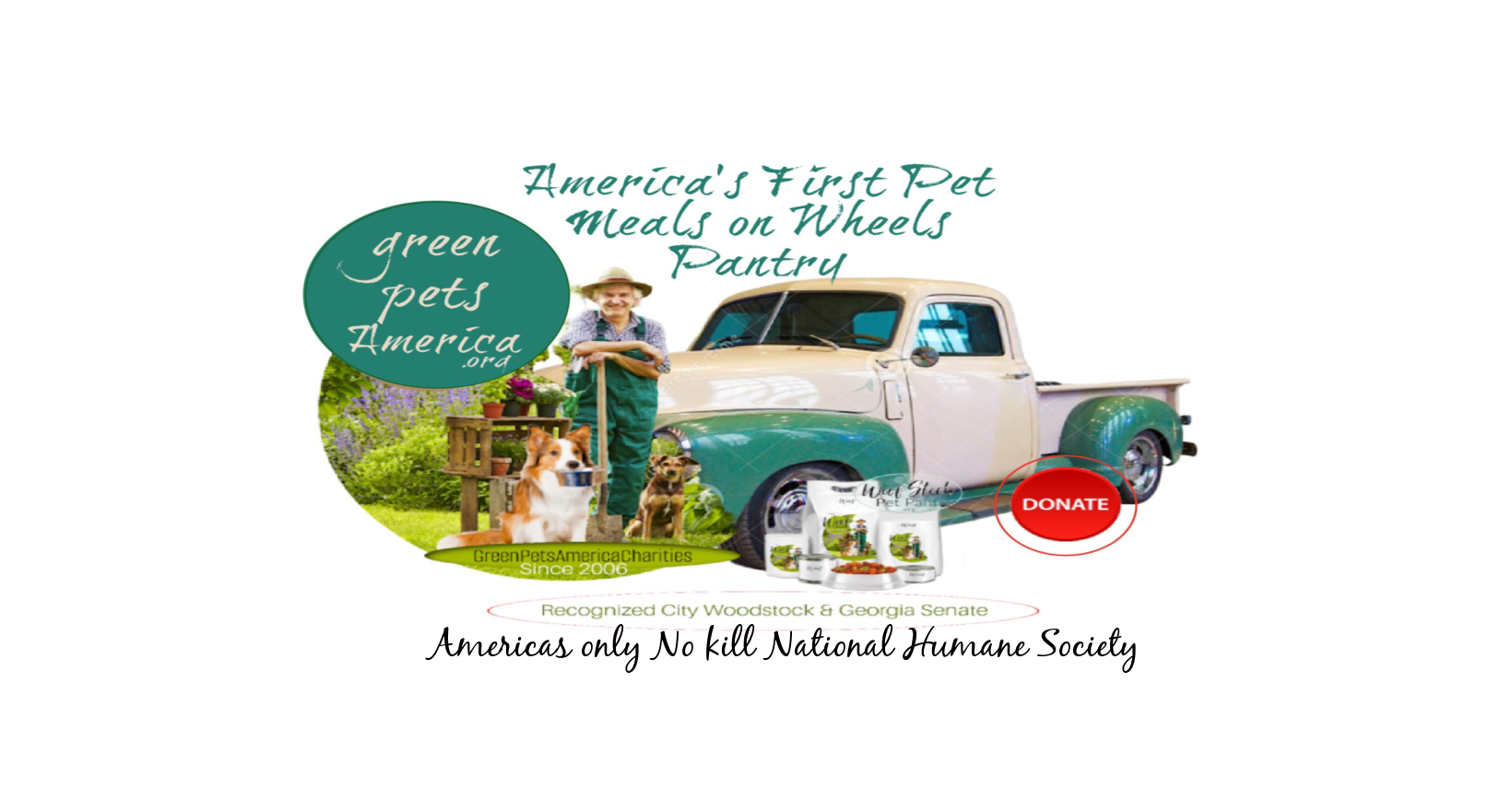
In 2004 Steve Monahan founded Green Pets America Charities with Gina Carr and Kristen Butler. Our early work included creating America’s first Pet Meals on Wheels delivering pet food to seniors and those in need In Cherokee County Georgia. A bag of food could help a person avoid surrendering a beloved companion. The intervention was modest in appearance and profound in purpose: keep an animal fed and a family together.

We also encountered dogs in shelters whose time was running out. Some were frightened. Some needed treatment or simply more time than an overcrowded kennel could give them. Green Pets America expanded into rescuing at-risk dogs and building the care needed to prepare them for adoption.

Helping people keep the animals they loved and rescuing animals already in danger were not competing missions. They were two answers to the same question: what would give this animal a real chance?

Why should the place where a dog was abandoned determine whether someone could find that dog a home? That question drew more people into rescue, foster care, and transport partnerships. It also exposed a second truth: many pets became homeless not because their people did not love them, but because hardship made it difficult to keep them.

From Death Row to Adoption Day

Taking a dog out of immediate danger can be urgent. It is also only the first step. A rescued dog may need an examination, vaccines, treatment for illness or injury, nourishing food, and time to recover from the strain of a shelter environment. The next step may be a foster home, where routine and patience can help the dog settle.

Green Pets America Charities described its mission in three words: Rescue. Recycle. Rehome. In our language, “recycle” meant giving a life disrupted by circumstance an opportunity for renewal. The animal was never disposable; what needed changing was the situation around that animal.

Foster families and volunteers made that change possible. They offered safe space, learned what a dog needed, helped with everyday skills, and introduced prospective adopters to an individual rather than a kennel label. Adoption events, including events at pet stores, created opportunities for people to meet dogs who might otherwise have remained unseen.

A successful rescue is not simply a removal from a shelter. It is a chain of care: a safe exit, appropriate medical attention, time to recover, a thoughtful match, and a home prepared to welcome the animal. Each link depends on people doing patient, often unglamorous work. The goal is not just an adoption-day photograph. It is a lasting relationship.

On the the Road and Sky to Safety

A No kill network grows from South to North

Local adoption matters, but it cannot always meet the number of animals needing homes in a high-intake area. Rescue transport can create another path—provided the destination has a capable receiving partner and a genuine plan for care and placement.

Green Pets America worked to move rescued dogs from the Southeast toward partners and adoption opportunities in Northeastern states. Those journeys depended on foster coordinators, veterinarians, drivers, receiving organizations, and people waiting to help at the other end. A route on a map was only one part of the work. The handoffs, records, health arrangements, and commitments after arrival mattered just as much.

Animal-rescue journeys take to the air. Pilots N Paws, founded in 2008, connects volunteer pilots with people and organizations arranging animal transport. Volunteer aviation is one example of how people can bring their particular skills and resources to an animal’s journey.

Whether by road or air, transport does not replace the need for better local services. It connects an animal in immediate need with an available opportunity while communities continue the longer work of building stronger shelter and support systems.

A driver, a pilot, a foster family, and an adopter may never all meet. Their decisions can still become one continuous act of care.

Feeding Families, Saving Animals
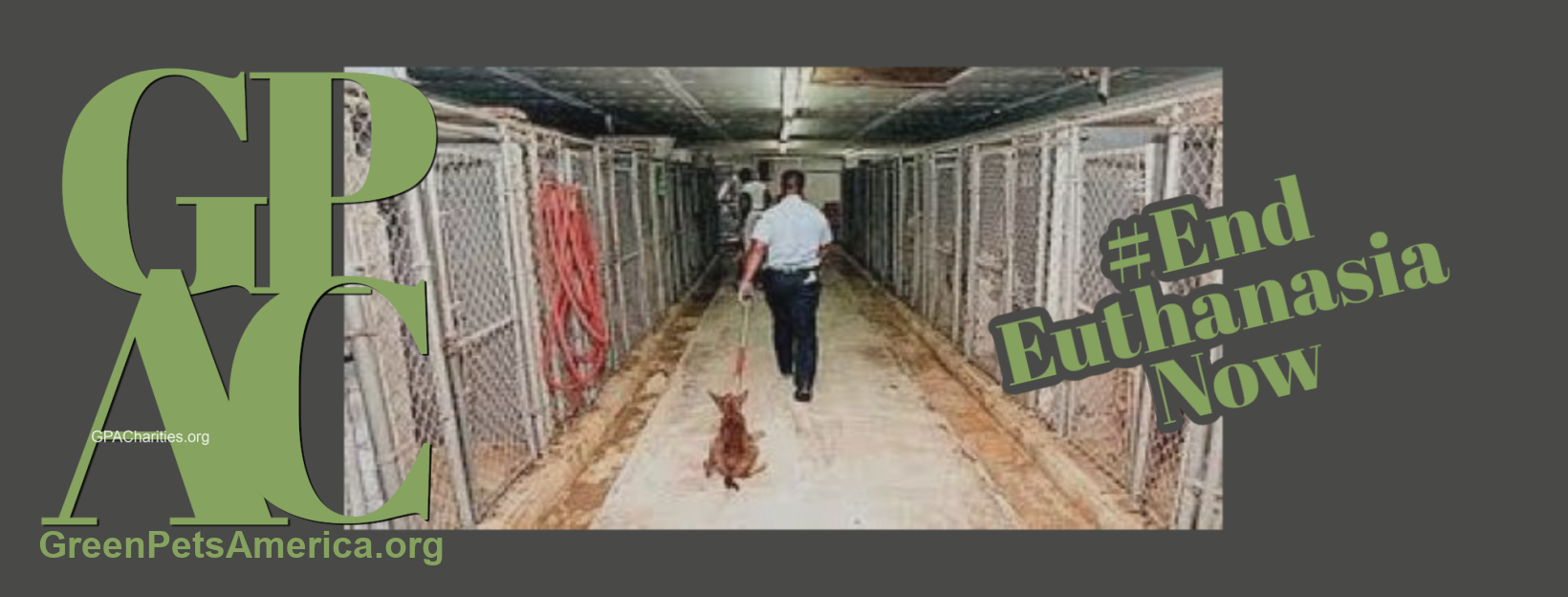
Preventing homelessness before it begins.Rescue stories often begin with an animal leaving a shelter. Some of the most important lifesaving stories begin earlier: at the moment a family asks for help.

A senior may be able to offer a dog affection, companionship, and a safe home, yet struggle to pay for food. A family facing a temporary crisis may want to keep a cat but lack the means to meet an immediate need. When help arrives in time, the animal may never have to enter a shelter at all.

For Green Pets America Charities, pet-food delivery belonged within animal rescue. The program supported both the companion animal and the person who loved that animal. It recognized that the human-animal bond is worth protecting, especially when hardship—not lack of care—puts it at risk.

The do no harm, No kill America Promise Continues

No one organization created America’s no-kill movement. Adoption advocates, sanctuary builders, shelter reformers, veterinary teams, foster families, rescue partners, transport volunteers, and people who open their homes have each carried part of it forward.

There is still work to do. Communities need ways to help lost animals return home, support families before surrender becomes necessary, care for sick and injured animals, and make foster and adoption programs stronger. Those needs cannot be answered by a slogan alone. They ask for resources, cooperation, honest assessment, and persistence.

But a movement begins when people refuse to mistake a shortage of options for a shortage of worth. An animal in danger deserves more than the explanation that no one could help. People can build the help. Rescue the animal. Restore life. Rehome the companion animal. Feed the family. Support the community. And never accept that death is the answer.

Steven Monahan, founder Green Pets America Charities, 2007
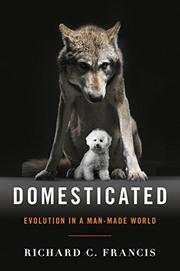
Domesticated – Book Review

If you are fascinated by animals as we are, you will really enjoys this new, highly acclaimed book – Domesticated by Richard Francis.

Here is a quick review. Book is available at all book stores and online.

Enjoy, Steve Monahan

Domesticated

 KIRKUS BOOK REVIEW

“The human population explosion has been bad for most other living things, but not so for those lucky enough to warrant domestication,” writes science journalist Francis (Epigenetics: The Ultimate Mystery of Inheritance, 2011, etc.) in this provocative account of the latest developments in the field of evolutionary biology.

“In an evolutionary sense,” writes the author, “it pays to be domesticated.” Not only do humans breed animals for our own purposes—pets, horses, and cattle—but we have been an “unconscious evolutionary force.”

Francis cites the famous 1959 experiment by the Russian scientist Dmitry Belyaev, who explored the domestication of foxes by selecting for tameness. By the sixth generation, they developed physical and behavioral characteristics normally associated with dogs. The author suggests that the driver in this case—also exemplified in the descents of dogs from wolves and humans from primates—was natural selection of those animals best able to tolerate the social stress of life in the vicinity of human habitations.

Selection for tameness was related to “a general dampening of stress responses,” and over several generations, stress hormones decreased. In the author’s view, a similar process of self-domestication occurred in the evolution of humans from their primate forebears.

Francis astutely substantiates this thesis with fossil evidence from a variety of mammal species, including cats, dogs, raccoons, mice, and more. As the author writes, the concept of survival of the fittest was not based solely on competition for resources, nor initially on transformations in the brain, but rather on “parallel neuroendocrine alterations in humans (and bonobos) on the one hand, and dogs, cats, rats, and other domestic creatures on the other.”

This leads him to the novel conclusion that rather than just human intelligence, the extraordinary evolutionary success of our species has depended on our “hypersociality and unprecedented capacity for cooperative behavior.”

A highly illuminating look at the cross-species biological basis for human culture and sociability.

Should Your Dog Or Cat Be Alkaline?

Should Your Dog Be Alkaline?

How Does an Alkaline Diet Affect Cancer Cells? Studies have shown that in the test tube, cancer cells and tumors thrive and grow in a more acidic environment. When the level of acid is lowered, tumors grow much more slowly. If this behavior occurs in the test tube, it stands to reason that cancer cells in the body would also be detrimentally affected by an overall alkaline environment.

Raw Pet Food Will Keep Your Dog Alkaline

It would also make sense that if the body’s pH is acidic, then the growth of cancer cells and tumors would be encouraged. By eating mostly foods that make the body’s pH more alkaline, there would be less of a chance for cancer cells to develop and grow. So, by adjusting the diet, it is actually possible to create a less hospitable environment for cancer cells, thus improving a person’s/dog’s chances of experiencing good health.

Proper pH, Will Improve Your Pet’s Quality of Life. Tissues in the body are prone to disease of all sorts, including cancer, if they become deficient in oxygen. To understand why, it is helpful to understand the nature of acidity and alkalinity. Cancerous tissues are acidic, where healthy tissues are alkaline. Water (H2O) taken into the body eventually breaks down into H+ and OH-. When a solution contains more H+ than OH- it is acidic. When it contains more OH- than H+ it is alkaline.

When oxygen is introduced into an acidic solution it will combine with H+ ions to form water. Oxygen helps neutralize acid, but acid also prevents oxygen from reaching the body’s tissue. Acidic tissue is devoid of free oxygen as tissue needs oxygen to remain healthy.

The pH scale ranges from 1 to 14, with 7 being neutral. Below 7 is acidic and above 7 is alkaline. The blood, lymph and cerebrospinal fluid in a dog’s body are designed to be slightly alkaline at 7.0 – 7.5 (6.1 – 6.4 for cats). At a pH slightly above 7.4, cancer cells become dormant and at pH 8.5 cancer cells will die while healthy cells will live.

Acidity Causes and Why You Want To Avoid this State:

• Increases anaerobic activity.

• Reduces amount of oxygen in the blood.

• Cancerous tissues are acidic and devoid of oxygen.

• Leaches calcium from bones & is released into the kidney,

resulting in stone formation before being excreted.

• Acidosis is excessive consumption of protein, which is metabolized “acidically” because of sulfur content.

• Without enough oxygen the DNA self-repair mechanism will not function causing free radical damage.

Detox:

Of great importance to the health of your pets is the implementation of an ongoing detox protocol. Drag the toxins out so the nutrients can increase wellness.

Nutramin Mineral Detox, Bone and Joint Remineralization, Digestion and more.

The Dogma Natural Pet Market

8420 Main Street

Woodstock, GA 30188

678.460.6DOG

Thank you to Canine Caviar for the information.

Art Show & Bark B Que – For K 9 Memorial

Green Pets America

Woodstock, GA


Order Tickets Here: https://www.eventbrite.com/e/art-show-bark-b-que-for-k-9-memorial-tickets-11127311087?ref=wpwidget


What’s Your Mission? Sustaining Your Dog or Optimum Health?

Image

That’s really the question isn’t it? Are you the person that say, buys the Big Box Store Brand because you’re there and don’t give it a thought, plus it’s cheap? Or are you a serious companion dog owner with the thirst to do a better job with all of your family (including the 4-legged version)?

If you think about what goes in your dog, then I want to hear from you! All the cliches apply here, “You get what you give, crap in, crap out, and on”! But, it really is the truth. Are you saving money on generic food, because it’s cheap but, going to the vet regularly for various issues such as, skin, diabetes, obesity, thyroid, ear infections? These can be issues because what you are feeding is inadequate nutritionally. Most vets will treat the symptoms and not talk about diet. Diet is key and can act as medicine to clear skin issues and detox the system.

What I’ve learned over decades of companion dog ownership, including show dogs, and my years working inside natural pet food manufacturers, is you get what you pay for. As an example, you can get a steak at a top notch steak house or go to one of those buffet bars and get one there. Ingredients make the food. Is the plant clean? Are they getting hormones, antibiotics? Is the company using downed animals? It happens, don’t be fooled or shocked.

We at The Dogma Natural Pet Market make it important to know, just what do the animals eat that I am feeding to my dogs? I will drill down and get the information. I’ve done the research and the studying. Let me share it with you. We hold the manufacturers to their word and learn where the ingredients come from. Since, I know the in and outs, and I can muddle through the marketing goop and get the facts. I make it part of my job to do the due diligence and discover what is really going in to these foods and make the correct decisions on what food to carry and remedies to suggest. You won’t find a lot of foods you see on other shelves here. There’s a reason for that. Let’s Talk! 

The Dogma Natural Pet Market
8420 Main Street
(at Rope Mill & The Railroad Tracks)
Woodstock, GA 30188
678.460.6364
thedogmaonline@gmail.com
www.shop.thedogmaonline.com


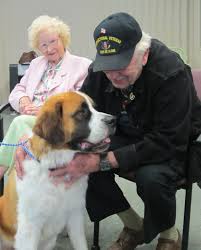
Alzheimer’s Assistance Dogs

Alzheimers's Therapy Dog
Alzheimers’s Therapy Dog

Assistance and therapy dogs provide a range of services and they have been increasing steadily over the past few decades. Now, canine services can add Alzheimer’s and dementia assistance to their list of skills. We are all familiar with guide dogs for the blind and some of us are aware of hearing assistance dogs and dogs that provide help for people with limited mobility but we are only just becoming aware of the fact that dogs provide help for those suffering from mental problems, thanks to media coverage of the U. S. Congress funded study conducted to understand how effective assistance dogs are for veterans of war suffering from PTSD.

People are today living longer due to the effectiveness of contemporary healthcare and higher nutritional standards but a major problem with the elderly is the decline of memory and cognitive ability associated with Alzheimer’s and other various forms of dementia. It is estimated that around 15% of people in the United States who are older than 65 will suffer some form of dementia with an additional 10% who will suffer from Alzheimer’s disease which amounts to around 5.5 million people.

There is no sudden onset in most forms of dementia and people can still have useful, functional, and somewhat independent lives in the beginning and middle stages of the disease if they have adequate assistance and support services in place, however, there are intermittent problems associated with the early stages of memory loss and diminishing cognitive abilities. Dementia sufferers can forget to take their medications or to eat. They get lost easily and cannot find their way home. These experiences leave them feeling frustrated, isolated, angry, and feeling helpless. They begin to feel they are a prisoner in their own home and depend completely on the assistance of others to allow them to go outside.
In the past few years, projects have been put into place to train dogs to assist people with Alzheimer’s and dementia.

Unlike guide dogs for the blind, these dogs do not work on a harness but on a six-foot leash in order to be in front of the person to actually lead them in the correct direction. When the order “Home” is given, the dementia assistance dog’s main task is to get his charge home. If the patient forgets to give the home order or wanders far from the house and into unfamiliar areas, caretakers can activate an electronic GPS navigation device installed on the dog’s collar which, not only locates the missing pair, but emits a recognizable tone which the dog interprets as an alternative command to lead his patient home. If for some reason the patient is not able to accompany the dog home, the dog is trained to stay with him and start barking to call attention to the situation. Should the patient wander from the house without his assistance dog, the dog is trained to track him by scent.

Because dogs love predictability and routine, this forms the base of training for dementia assistant dogs. They are trained to assist their charge through the day, to respond to other sound triggers in the home and to trip an alarm in the house should the patient fall and not get up within a reasonable period of time or if they hear a choking sound. But just as important, these therapy dogs offer companionship and friendship for their owner. They help to maintain a meaningful daily routine which adds quality of life and by walking their dog daily, they promote exercise and encourage social interaction between their patient and other people. These positive social interactions reduce loneliness and isolation in the dementia patient. Being out and about with their dog provides the patient with a sense of independence reducing feelings of helplessness and dependency which can led to depression which Alzheimer’s and dementia sufferers often encounter.

Info courtesy of:  Chocolate Dog Ad., Inc.

GPA_Logo10410