Green Pets America Charities

When the South & North Become One
In parts of the Southeastern United States, shelters and rescues faced heavy demand with too few foster homes, veterinary resources, adopters, and affordable sterilization services. Conditions varied from county to county. Yet for people working in high-intake communities, one painful truth was hard to ignore: an animal’s prospects could change dramatically across a state line.
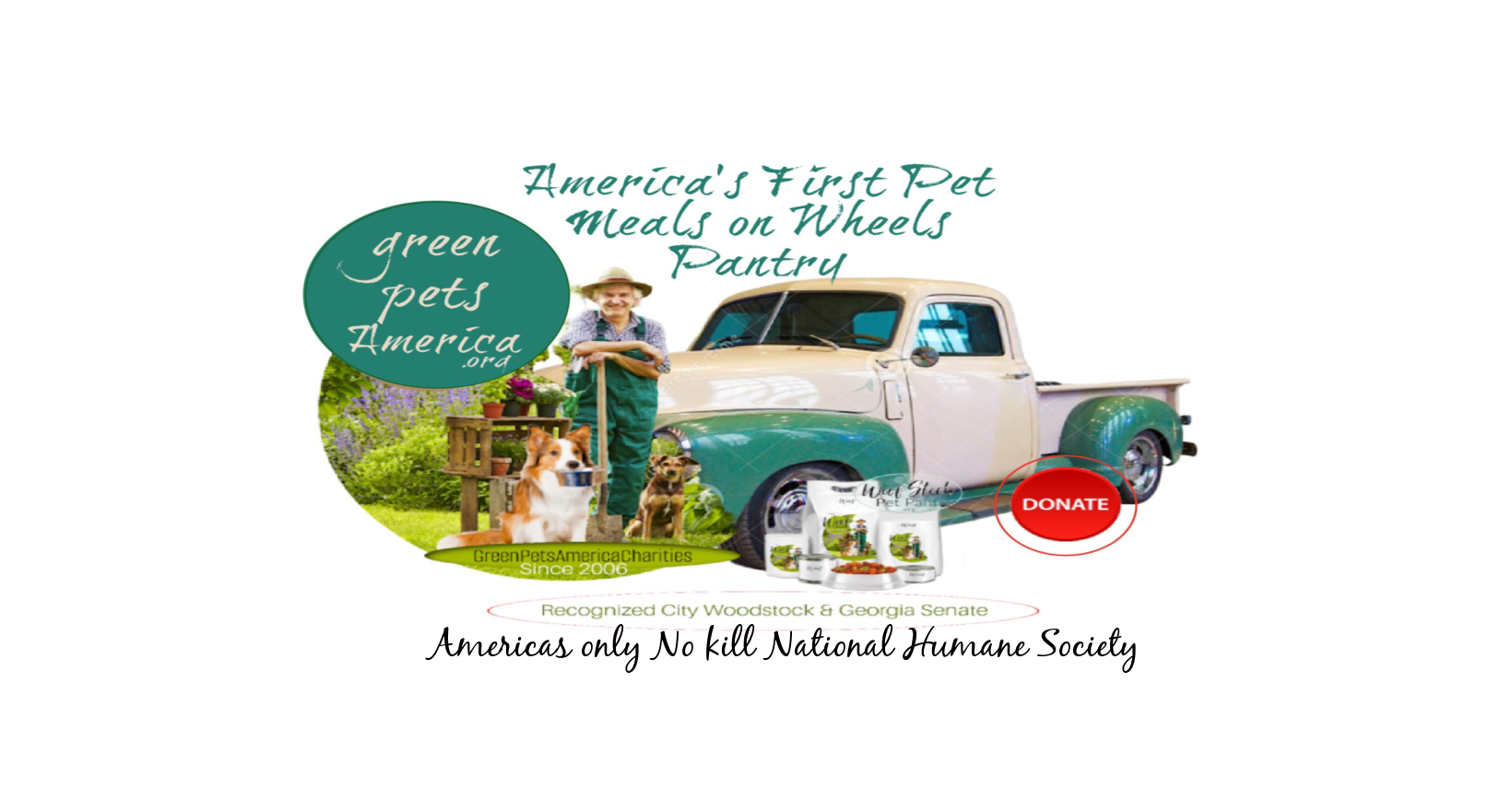
In 2004 Steve Monahan founded Green Pets America Charities with Gina Carr and Kristen Butler. Our early work included creating America’s first Pet Meals on Wheels delivering pet food to seniors and those in need In Cherokee County Georgia. A bag of food could help a person avoid surrendering a beloved companion. The intervention was modest in appearance and profound in purpose: keep an animal fed and a family together.

We also encountered dogs in shelters whose time was running out. Some were frightened. Some needed treatment or simply more time than an overcrowded kennel could give them. Green Pets America expanded into rescuing at-risk dogs and building the care needed to prepare them for adoption.

Helping people keep the animals they loved and rescuing animals already in danger were not competing missions. They were two answers to the same question: what would give this animal a real chance?

Why should the place where a dog was abandoned determine whether someone could find that dog a home? That question drew more people into rescue, foster care, and transport partnerships. It also exposed a second truth: many pets became homeless not because their people did not love them, but because hardship made it difficult to keep them.

From Death Row to Adoption Day

Taking a dog out of immediate danger can be urgent. It is also only the first step. A rescued dog may need an examination, vaccines, treatment for illness or injury, nourishing food, and time to recover from the strain of a shelter environment. The next step may be a foster home, where routine and patience can help the dog settle.

Green Pets America Charities described its mission in three words: Rescue. Recycle. Rehome. In our language, “recycle” meant giving a life disrupted by circumstance an opportunity for renewal. The animal was never disposable; what needed changing was the situation around that animal.

Foster families and volunteers made that change possible. They offered safe space, learned what a dog needed, helped with everyday skills, and introduced prospective adopters to an individual rather than a kennel label. Adoption events, including events at pet stores, created opportunities for people to meet dogs who might otherwise have remained unseen.

A successful rescue is not simply a removal from a shelter. It is a chain of care: a safe exit, appropriate medical attention, time to recover, a thoughtful match, and a home prepared to welcome the animal. Each link depends on people doing patient, often unglamorous work. The goal is not just an adoption-day photograph. It is a lasting relationship.

On the the Road and Sky to Safety

A No kill network grows from South to North

Local adoption matters, but it cannot always meet the number of animals needing homes in a high-intake area. Rescue transport can create another path—provided the destination has a capable receiving partner and a genuine plan for care and placement.

Green Pets America worked to move rescued dogs from the Southeast toward partners and adoption opportunities in Northeastern states. Those journeys depended on foster coordinators, veterinarians, drivers, receiving organizations, and people waiting to help at the other end. A route on a map was only one part of the work. The handoffs, records, health arrangements, and commitments after arrival mattered just as much.

Animal-rescue journeys take to the air. Pilots N Paws, founded in 2008, connects volunteer pilots with people and organizations arranging animal transport. Volunteer aviation is one example of how people can bring their particular skills and resources to an animal’s journey.

Whether by road or air, transport does not replace the need for better local services. It connects an animal in immediate need with an available opportunity while communities continue the longer work of building stronger shelter and support systems.

A driver, a pilot, a foster family, and an adopter may never all meet. Their decisions can still become one continuous act of care.

Feeding Families, Saving Animals
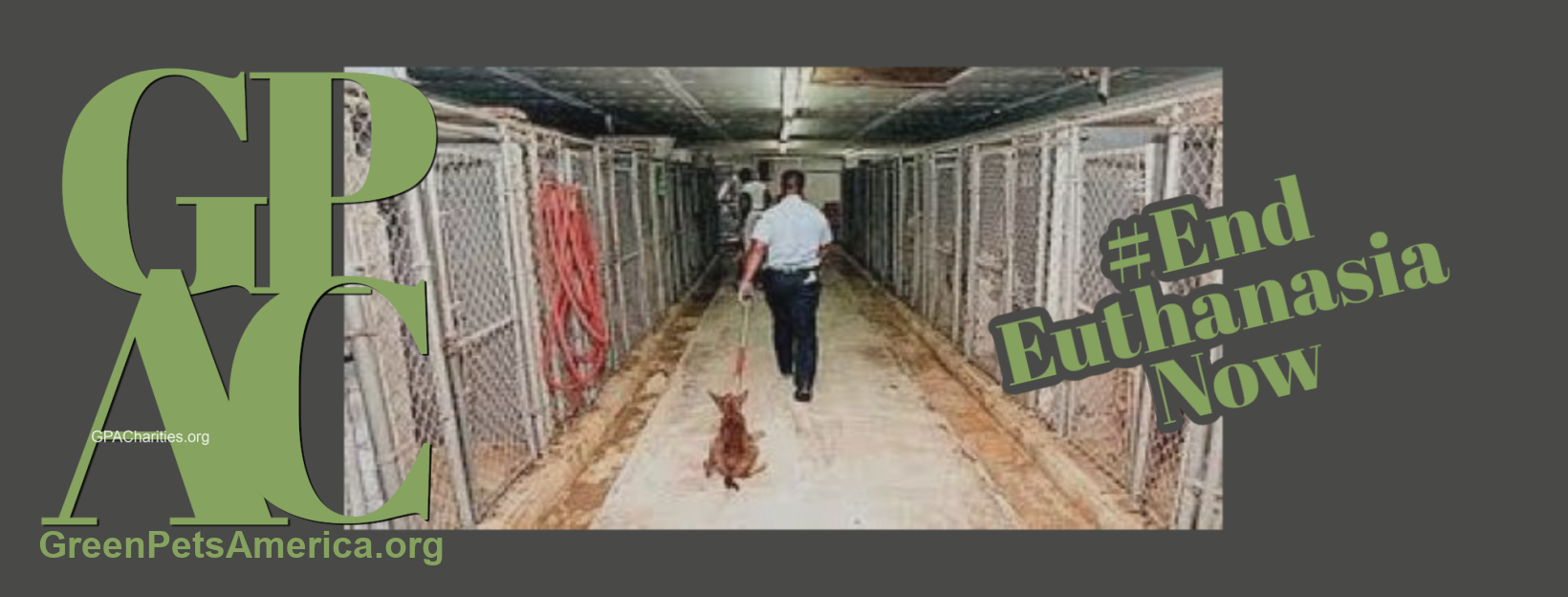
Preventing homelessness before it begins.Rescue stories often begin with an animal leaving a shelter. Some of the most important lifesaving stories begin earlier: at the moment a family asks for help.

A senior may be able to offer a dog affection, companionship, and a safe home, yet struggle to pay for food. A family facing a temporary crisis may want to keep a cat but lack the means to meet an immediate need. When help arrives in time, the animal may never have to enter a shelter at all.

For Green Pets America Charities, pet-food delivery belonged within animal rescue. The program supported both the companion animal and the person who loved that animal. It recognized that the human-animal bond is worth protecting, especially when hardship—not lack of care—puts it at risk.

The do no harm, No kill America Promise Continues

No one organization created America’s no-kill movement. Adoption advocates, sanctuary builders, shelter reformers, veterinary teams, foster families, rescue partners, transport volunteers, and people who open their homes have each carried part of it forward.

There is still work to do. Communities need ways to help lost animals return home, support families before surrender becomes necessary, care for sick and injured animals, and make foster and adoption programs stronger. Those needs cannot be answered by a slogan alone. They ask for resources, cooperation, honest assessment, and persistence.

But a movement begins when people refuse to mistake a shortage of options for a shortage of worth. An animal in danger deserves more than the explanation that no one could help. People can build the help. Rescue the animal. Restore life. Rehome the companion animal. Feed the family. Support the community. And never accept that death is the answer.

Steven Monahan, founder Green Pets America Charities, 2007

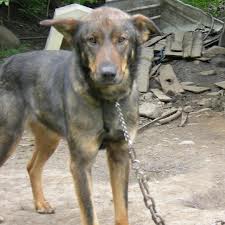
Why We Must Unchain Georgia’s Dogs

 dog chained

Help us end chaining Georgia’s Dogs.

The United States Department of Agriculture, Federal Register –

“Our experience in enforcing the Animal Welfare Act has led us to conclude that continuous confinement of dogs by a tether is inhumane. A tether significantly restricts a dog’s movement. A tether can also become tangled around or hooked on the dog’s shelter structure or other objects, further restricting the dog’s movement and potentially causing injury.”

American Veterinary Medical Association

“Confine your dog in a fenced yard or dog run when it is not in the house. Never tether or chain your dog because this can contribute to aggressive behavior.”

CDC Atlanta:

According to the Centers for Disease Control & Prevention, a chained dog is 2.8 times more likely to bite than an unchained dog.

Many fatal dog attacks are a result of tethering dogs when humans come within the reach of such dogs. The Journal of the American Veterinary Medical Association has reported that 17 percent of dogs involved in fatal attacks on humans between 1979 and 1998 were chained on their owner’s property at the time of the attack. In her book Fatal Dog Attacks, Karen Delise (Anubis Press, November 1, 2002) states that 25 percent of fatal attacks are by chained dogs. The victims of such attacks are often children.

Chained dogs can become aggressive due to intense confinement and lack of socialization. They also feel trapped, unable to escape from noises or people or animals that frighten them.

Chained dogs typically lack adequate veterinary care, food, water, or shelter. They are rarely exercised or interact with their families. These dogs suffer from neglect. Even if they are not left without adequate care, they lead an unhappy, frustrating existence for such social animals. Dogs on chains suffer intense boredom, anxiety, even neuroses; their lives are very sad and lonely.

Dogs can choke to death when their chains became entangled with other objects, or develop infections and severe wounds when collars become embedded in their necks.

Lawrence County Kansas, a few years ago adopted an anti-tethering ordinance prohibiting dog owners from keeping dogs chained outside. In 2005, there were 800 calls to the Lawrence Humane Society concerning cruelty to dogs and dog fighting; in 2006 as of September 1, there were only 260 complaints.City officials attribute the decline in large part to the anti-tethering ordinance.

cropped-gpac-plus-web800.jpeg

Can Your Dog Think?

 i luv 400dpi

What’s in a dog’s mind?  That has been the age-old question that man has had about the lovable canine species. Dogs and humans have had a long-standing history together that dates as far back as 30,000 B.C. While there are many differences between the two species, there are also some surprising similarities that are worth exploring.

It is estimated by historians that in 30,000 B.C., Paleolithic humans hunted alongside wild dogs. Dogs were buried with humans as far back as 12,000 B.C., which depicts the love between man and canine and that dogs were valued just as greatly as people. Different dog breeds were domesticated and easily distinguished by 10,500 B.C., and then, by 1,500 C.E., the oldest modern dog breeds were formed. These include the mastiff, terriers, herding dogs, sight hounds, chows, Asian Spaniels, the Spitz and Native American dog breeds.

Dogs can also experience a disorder known as separation anxiety, which makes them feel overly anxious when they are not with their owner or the one person they love the best. This disorder can be quite serious and the dog can act out in a variety of ways that will cause grief to the owner.

Dogs, like humans, can experience phobias. The most common include thunder, being left alone, vets, strangers, stairs and even riding in cars. A phobia of course is an irrational fear of something. Dogs can experience dreams around 20 minutes after they fall asleep. You can tell when your pet is dreaming as it moves while asleep or makes soft noises.

Like humans, dogs have the capacity to feel love. This is due to the hormone oxytocin, which is found in both species. Dogs can also feel an array of additional emotions, such as anger, joy, fear, excitement, distress, contentment and disgust. However, unlike the human race, dogs cannot feel shame, guilt, pride or contempt.

Having 4 dogs myself and rescued hundred through our rescue group Green Pets America I can assure you dogs are quite smart. They have a better handle on their emotions than we do. They don’t carry grudges, don’t judge, and accept us crazy humans just as we are. A dog will not try to change you…he accepts you for just who you are and loves you as is.

large_pet_bowl

Dog Clothes: Protection for Your Dog this Winter

dog_hoodie

Dogs are just like humans in that they do not like wet and cold weather and can suffer in winter time if they do not have the correct protection against the cold weather.  Dog clothes are a wardrobe essential for your four legged friend that keeps them warm and most importantly happy no matter the weather.

Dog clothes are well designed garments that are designed with your dog in mind so that your dog can function in his everyday life whilst staying cozy and comfortable.  Dog clothes are ideal for dogs that fall into the categories listed below;

  • Older/senior dogs
  • Injured or recovering dogs
  • Small dogs as they are closer to the ground and easily get wet
  • Dogs with thin or thinning coats
  • Working dogs
  • Dogs living or working in extreme climates
  • Puppies

  A coat for your dog can provide extra protection and insulation whilst they explore the outdoors and most dogs love the fuss of getting dressed in the winter time.   If your dog has been injured or has suffered from an illness they would benefit from an extra layer of dog clothes when they are out and about as they can reach full health again faster. 

 If your dog is hesitant about going outside they may be feeling the cold so it is important to notice the signs and dress them appropriately. You should always ensure that the clothing item works with the shape of your dog’s body and does not prevent him/her from doing anything they would normally do! 

Visit our Logo Store for the dog hoodie shown

Should You Give a Pet For Christmas?

dog christmas tree

Generally those of us in the animal rescue business discourage giving pets as a gift at Christmas. But research show we may have been wrong. We believed it is based on the fact of seeing pets dumped us, or the shelter just 30 or 60 days after Christmas, when the reality of taking care of a puppy or kitten overwhelms some people.

Some rescue groups and shelters also have a long-held belief  that animals not specifically chosen by their new owners may be considered less valuable.

This belief, however, is actually counter to new research by the ASPCA and other experts in the animal-welfare field.

_________________________________________

Research

In 2013, the ASPCA surveyed people who had received their pets as gifts in order to learn more about their attachment to – and the retention of – that pet. They also explored the difference in those factors for those that obtained their gifted pet as a surprise. Research found there is no correlation between getting an animal as a gift and an owner’s love and attachment to the pet even if that pet was a surprise gift and no increased risk of relinquishment for dogs and cats received as gifts.​

An earlier study, identified the source of approximately 2,600 dogs and 2,300 cats relinquished to 12 shelters in four regions of the U.S. They found that dogs relinquished to shelters had most frequently come from friends, shelters and breeders. Relinquished dogs infrequently came from pet shops, as gifts and from veterinarians. That study found that the odds of dog relinquishment were higher when acquiring an animal from a shelter, friend, as a stray, and from a pet shop compared to receiving an animal as a gift (and controlling for other factors such as gender, neuter status, length of ownership and purchase cost).

In addition, Scarlett et al identified 71 reasons given for pet relinquishment. “Unwanted gift” was listed as a reason for only 0.3% of dogs and 0.4% of cats entering the shelters surveyed, compared with “No time for pet” as a reason 10% of dogs were relinquished and “allergies in family” as a reason 18% of cats were relinquished.

And finally Patronek et al examined risk factors for dog relinquishment at one shelter and concluded that dogs that were received as a gift were at significantly decreased risk of being relinquished, compared to dogs who were purchased or adopted.

Bottom Line 

These are exciting findings that may help open new adoption options for rescue groups and animal shelters, allowing more animals to be placed in loving homes. The ASPCA recommends however that the giving of pets as gifts be only to people who have expressed a sustained interest in owning one, and who have the ability to care for it responsibly.

ccal

2013 U.S. Pet Industry Statistics

ccal 400dpi

According to the American Pet Products Association, Americans spent a total of $53.33 billion dollars on their pets in 2012; it is estimated they will spend $55.53 billion in 2013

83% of pet owners refer to themselves as their pet’s mom or dad

70 % of pet owners sign their pet’s names on greeting cards

18% of dog owners say they have included or would include their pet in their wedding

66% of dog owners say they would refuse to date someone who didn’t like their pet

21% of dog owners say their pet sleeps in their bed

At least 25% of cats are obese or likely to become obese

Between 25-40% of dogs are considered obese

63% of US households own a pet

45% of US households own more than 1 pet

40% of US households own a dog

There are 90 million cats in the USA and 73 million dogs

78% of dog owners buy their pets several gifts a year

51% of cat owners have bought their pet a gift within the last 12 months

60% of dog owners purchase chews for their dogs

30% of dog owners own dental care products for their pet. This includes toothbrush, floss, mouthwash and whitening products.

29 million dogs travel with their owners on trips.

_______________________________________

Estimated 2013 Sales within the U.S. Market

For 2013, it estimated that $55.53 billion will be spent on our pets in the U.S.

Estimated Breakdown:
Food                                                      $21.26 billion
Supplies/OTC Medicine                           $13.21 billion
Vet Care                                                $14.21 billion
Live animal purchases                             $2.31 billion
Pet Services: grooming & boarding           $4.54 billion