When the South & North Become One
In parts of the Southeastern United States, shelters and rescues faced heavy demand with too few foster homes, veterinary resources, adopters, and affordable sterilization services. Conditions varied from county to county. Yet for people working in high-intake communities, one painful truth was hard to ignore: an animal’s prospects could change dramatically across a state line.
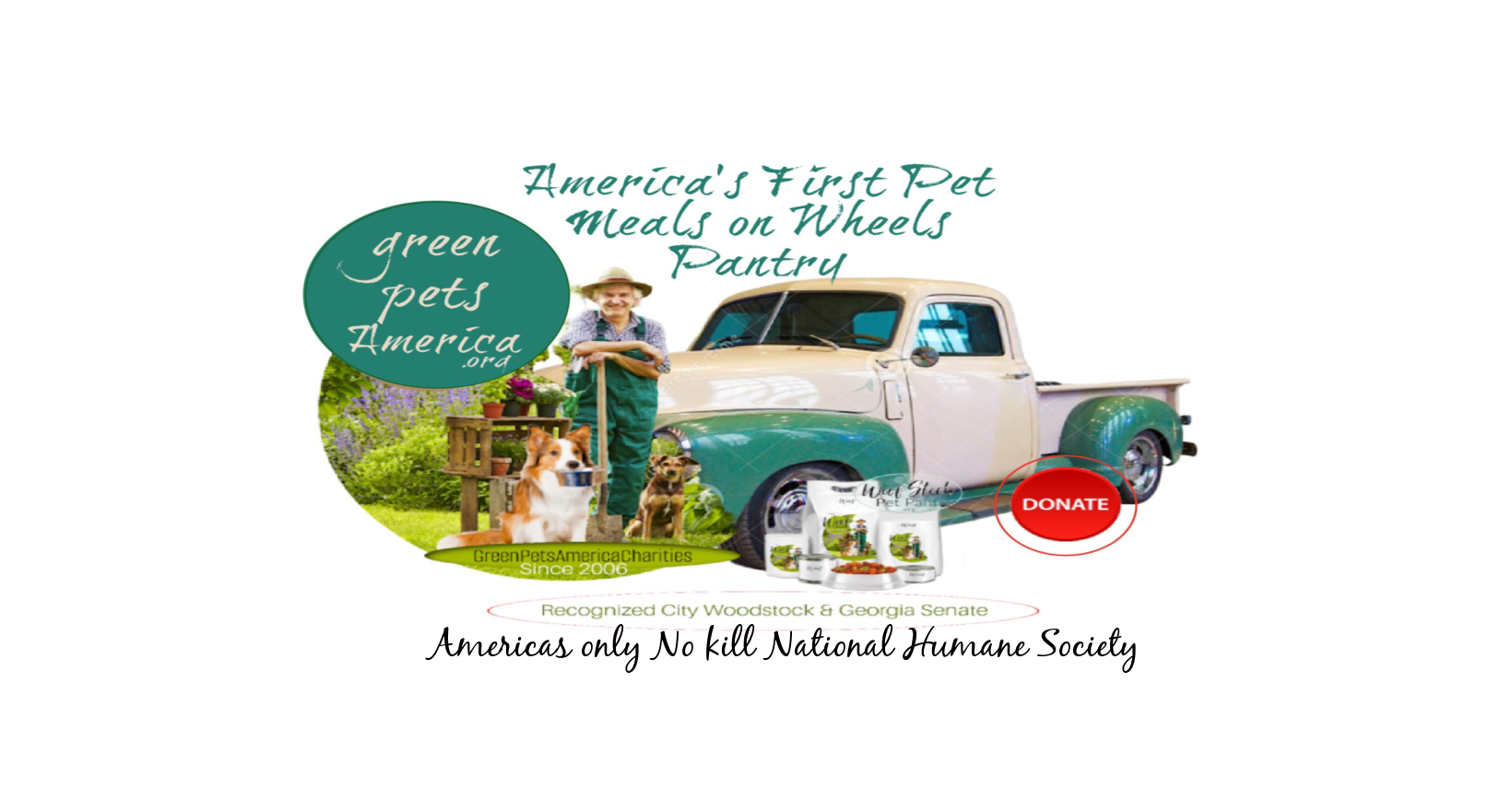
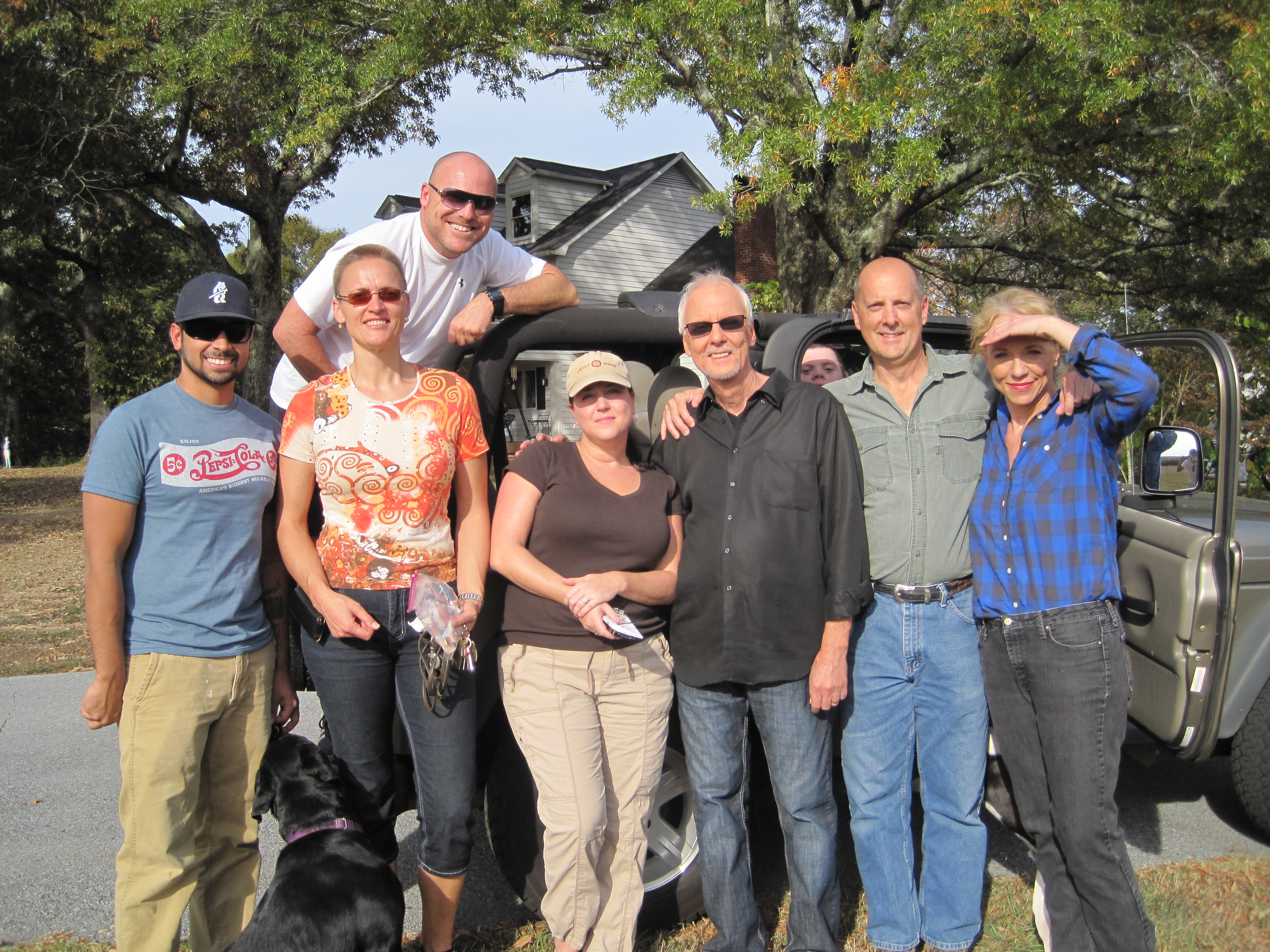
In 2004 Steve Monahan founded Green Pets America Charities with Gina Carr and Kristen Butler. Our early work included creating America’s first Pet Meals on Wheels delivering pet food to seniors and those in need In Cherokee County Georgia. A bag of food could help a person avoid surrendering a beloved companion. The intervention was modest in appearance and profound in purpose: keep an animal fed and a family together.
We also encountered dogs in shelters whose time was running out. Some were frightened. Some needed treatment or simply more time than an overcrowded kennel could give them. Green Pets America expanded into rescuing at-risk dogs and building the care needed to prepare them for adoption.
Helping people keep the animals they loved and rescuing animals already in danger were not competing missions. They were two answers to the same question: what would give this animal a real chance?
Why should the place where a dog was abandoned determine whether someone could find that dog a home? That question drew more people into rescue, foster care, and transport partnerships. It also exposed a second truth: many pets became homeless not because their people did not love them, but because hardship made it difficult to keep them.
From Death Row to Adoption Day
Taking a dog out of immediate danger can be urgent. It is also only the first step. A rescued dog may need an examination, vaccines, treatment for illness or injury, nourishing food, and time to recover from the strain of a shelter environment. The next step may be a foster home, where routine and patience can help the dog settle.
Green Pets America Charities described its mission in three words: Rescue. Recycle. Rehome. In our language, “recycle” meant giving a life disrupted by circumstance an opportunity for renewal. The animal was never disposable; what needed changing was the situation around that animal.
Foster families and volunteers made that change possible. They offered safe space, learned what a dog needed, helped with everyday skills, and introduced prospective adopters to an individual rather than a kennel label. Adoption events, including events at pet stores, created opportunities for people to meet dogs who might otherwise have remained unseen.
A successful rescue is not simply a removal from a shelter. It is a chain of care: a safe exit, appropriate medical attention, time to recover, a thoughtful match, and a home prepared to welcome the animal. Each link depends on people doing patient, often unglamorous work. The goal is not just an adoption-day photograph. It is a lasting relationship.
On the the Road and Sky to Safety
A No kill network grows from South to North
Local adoption matters, but it cannot always meet the number of animals needing homes in a high-intake area. Rescue transport can create another path—provided the destination has a capable receiving partner and a genuine plan for care and placement.
Green Pets America worked to move rescued dogs from the Southeast toward partners and adoption opportunities in Northeastern states. Those journeys depended on foster coordinators, veterinarians, drivers, receiving organizations, and people waiting to help at the other end. A route on a map was only one part of the work. The handoffs, records, health arrangements, and commitments after arrival mattered just as much.
Animal-rescue journeys take to the air. Pilots N Paws, founded in 2008, connects volunteer pilots with people and organizations arranging animal transport. Volunteer aviation is one example of how people can bring their particular skills and resources to an animal’s journey.
Whether by road or air, transport does not replace the need for better local services. It connects an animal in immediate need with an available opportunity while communities continue the longer work of building stronger shelter and support systems.
A driver, a pilot, a foster family, and an adopter may never all meet. Their decisions can still become one continuous act of care.
Feeding Families, Saving Animals
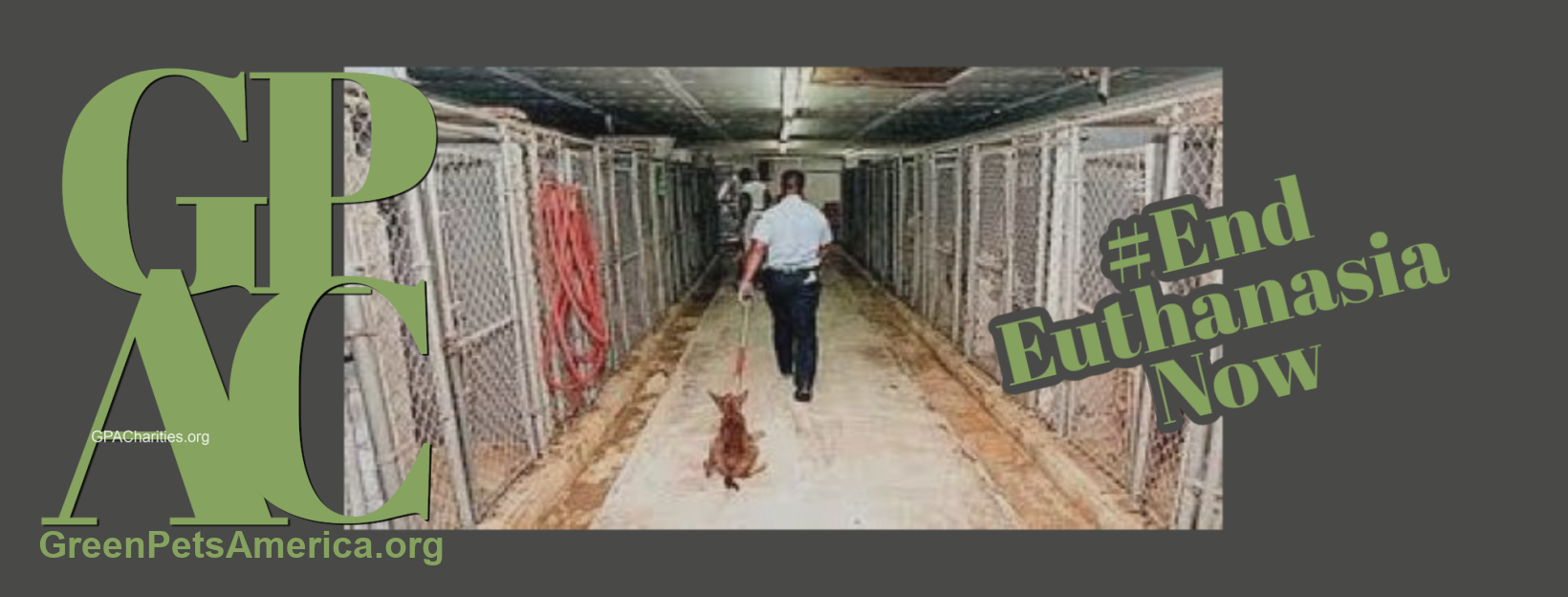
Preventing homelessness before it begins.Rescue stories often begin with an animal leaving a shelter. Some of the most important lifesaving stories begin earlier: at the moment a family asks for help.
A senior may be able to offer a dog affection, companionship, and a safe home, yet struggle to pay for food. A family facing a temporary crisis may want to keep a cat but lack the means to meet an immediate need. When help arrives in time, the animal may never have to enter a shelter at all.
For Green Pets America Charities, pet-food delivery belonged within animal rescue. The program supported both the companion animal and the person who loved that animal. It recognized that the human-animal bond is worth protecting, especially when hardship—not lack of care—puts it at risk.
The do no harm, No kill America Promise Continues
No one organization created America’s no-kill movement. Adoption advocates, sanctuary builders, shelter reformers, veterinary teams, foster families, rescue partners, transport volunteers, and people who open their homes have each carried part of it forward.
There is still work to do. Communities need ways to help lost animals return home, support families before surrender becomes necessary, care for sick and injured animals, and make foster and adoption programs stronger. Those needs cannot be answered by a slogan alone. They ask for resources, cooperation, honest assessment, and persistence.
But a movement begins when people refuse to mistake a shortage of options for a shortage of worth. An animal in danger deserves more than the explanation that no one could help. People can build the help. Rescue the animal. Restore life. Rehome the companion animal. Feed the family. Support the community. And never accept that death is the answer.
Steven Monahan, founder Green Pets America Charities, 2007