Green Pets America Charities

When the South & North Become One
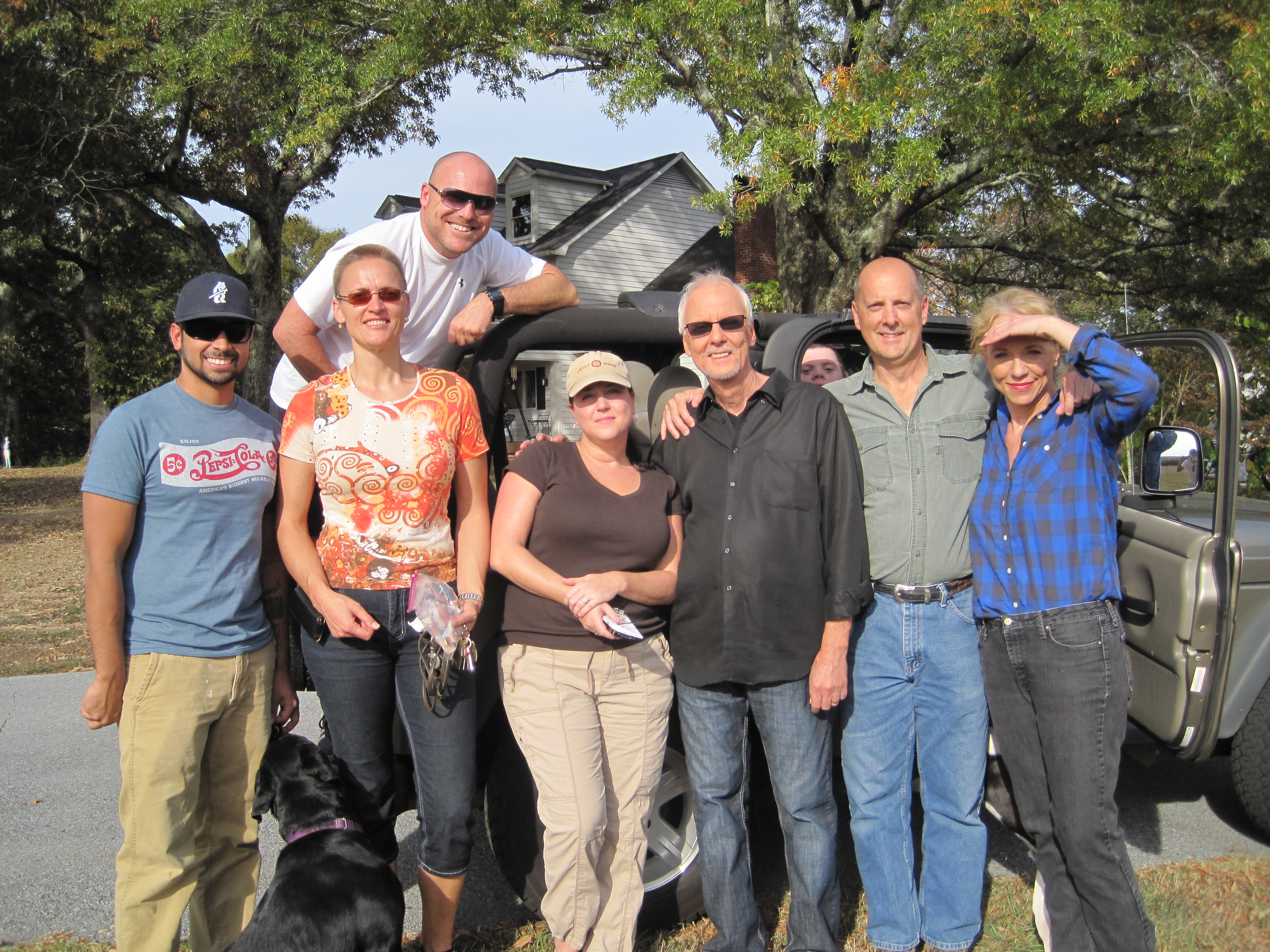
In parts of the Southeastern United States, shelters and rescues faced heavy demand with too few foster homes, veterinary resources, adopters, and affordable sterilization services. Conditions varied from county to county. Yet for people working in high-intake communities, one painful truth was hard to ignore: an animal’s prospects could change dramatically across a state line.
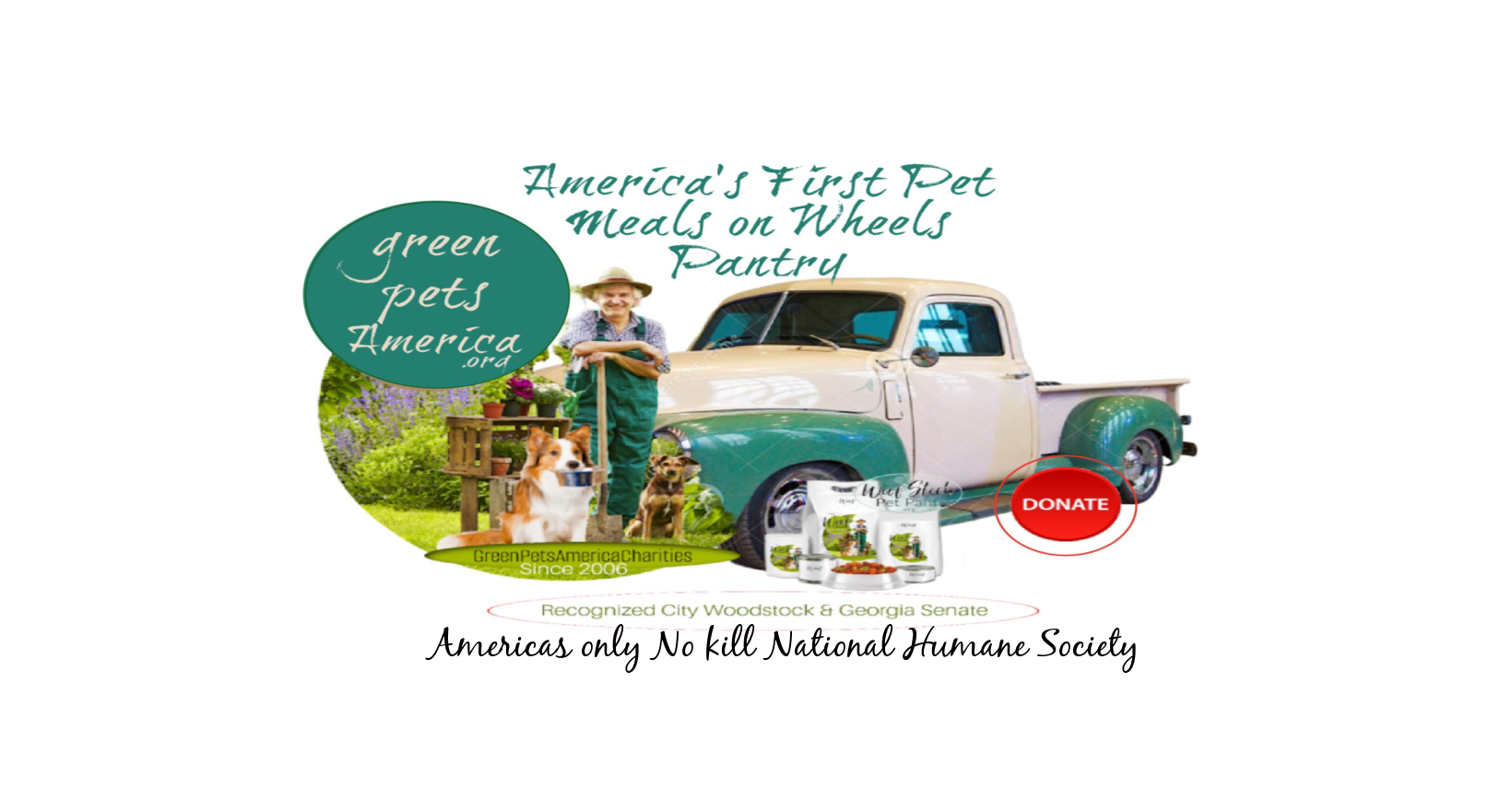
In 2004 Steve Monahan founded Green Pets America Charities with Gina Carr and Kristen Butler. Our early work included creating America’s first Pet Meals on Wheels delivering pet food to seniors and those in need In Cherokee County Georgia. A bag of food could help a person avoid surrendering a beloved companion. The intervention was modest in appearance and profound in purpose: keep an animal fed and a family together.

We also encountered dogs in shelters whose time was running out. Some were frightened. Some needed treatment or simply more time than an overcrowded kennel could give them. Green Pets America expanded into rescuing at-risk dogs and building the care needed to prepare them for adoption.

Helping people keep the animals they loved and rescuing animals already in danger were not competing missions. They were two answers to the same question: what would give this animal a real chance?

Why should the place where a dog was abandoned determine whether someone could find that dog a home? That question drew more people into rescue, foster care, and transport partnerships. It also exposed a second truth: many pets became homeless not because their people did not love them, but because hardship made it difficult to keep them.

From Death Row to Adoption Day

Taking a dog out of immediate danger can be urgent. It is also only the first step. A rescued dog may need an examination, vaccines, treatment for illness or injury, nourishing food, and time to recover from the strain of a shelter environment. The next step may be a foster home, where routine and patience can help the dog settle.

Green Pets America Charities described its mission in three words: Rescue. Recycle. Rehome. In our language, “recycle” meant giving a life disrupted by circumstance an opportunity for renewal. The animal was never disposable; what needed changing was the situation around that animal.

Foster families and volunteers made that change possible. They offered safe space, learned what a dog needed, helped with everyday skills, and introduced prospective adopters to an individual rather than a kennel label. Adoption events, including events at pet stores, created opportunities for people to meet dogs who might otherwise have remained unseen.

A successful rescue is not simply a removal from a shelter. It is a chain of care: a safe exit, appropriate medical attention, time to recover, a thoughtful match, and a home prepared to welcome the animal. Each link depends on people doing patient, often unglamorous work. The goal is not just an adoption-day photograph. It is a lasting relationship.

On the the Road and Sky to Safety

A No kill network grows from South to North

Local adoption matters, but it cannot always meet the number of animals needing homes in a high-intake area. Rescue transport can create another path—provided the destination has a capable receiving partner and a genuine plan for care and placement.

Green Pets America worked to move rescued dogs from the Southeast toward partners and adoption opportunities in Northeastern states. Those journeys depended on foster coordinators, veterinarians, drivers, receiving organizations, and people waiting to help at the other end. A route on a map was only one part of the work. The handoffs, records, health arrangements, and commitments after arrival mattered just as much.

Animal-rescue journeys take to the air. Pilots N Paws, founded in 2008, connects volunteer pilots with people and organizations arranging animal transport. Volunteer aviation is one example of how people can bring their particular skills and resources to an animal’s journey.

Whether by road or air, transport does not replace the need for better local services. It connects an animal in immediate need with an available opportunity while communities continue the longer work of building stronger shelter and support systems.

A driver, a pilot, a foster family, and an adopter may never all meet. Their decisions can still become one continuous act of care.

Feeding Families, Saving Animals
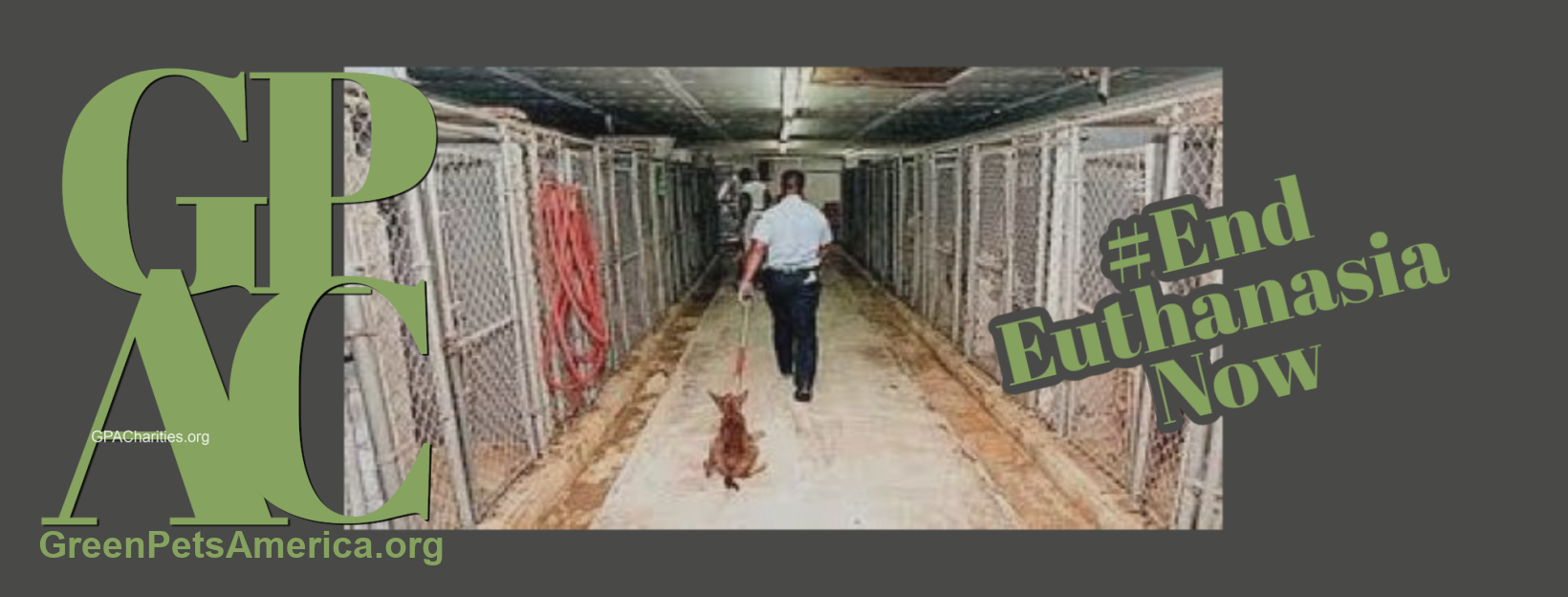
Preventing homelessness before it begins.Rescue stories often begin with an animal leaving a shelter. Some of the most important lifesaving stories begin earlier: at the moment a family asks for help.

A senior may be able to offer a dog affection, companionship, and a safe home, yet struggle to pay for food. A family facing a temporary crisis may want to keep a cat but lack the means to meet an immediate need. When help arrives in time, the animal may never have to enter a shelter at all.

For Green Pets America Charities, pet-food delivery belonged within animal rescue. The program supported both the companion animal and the person who loved that animal. It recognized that the human-animal bond is worth protecting, especially when hardship—not lack of care—puts it at risk.

The do no harm, No kill America Promise Continues

No one organization created America’s no-kill movement. Adoption advocates, sanctuary builders, shelter reformers, veterinary teams, foster families, rescue partners, transport volunteers, and people who open their homes have each carried part of it forward.

There is still work to do. Communities need ways to help lost animals return home, support families before surrender becomes necessary, care for sick and injured animals, and make foster and adoption programs stronger. Those needs cannot be answered by a slogan alone. They ask for resources, cooperation, honest assessment, and persistence.

But a movement begins when people refuse to mistake a shortage of options for a shortage of worth. An animal in danger deserves more than the explanation that no one could help. People can build the help. Rescue the animal. Restore life. Rehome the companion animal. Feed the family. Support the community. And never accept that death is the answer.

Steven Monahan, founder Green Pets America Charities, 2007
What Are Eco Green No-Kill Animal Shelters?

It’s quiet here, even through the hum of activity sun and fresh air stream in. People walk in and out, greeting each other, bending down to pat heads and smile at the little ones. Welcome to the  21st century  no kill animal shelter.
Green BuildingTo the casual observer, an animal shelter may not seem like much of a design challenge: a structure that safely houses stray animals for subsequent adoption.  But start to consider the details of the building. It must hold different types of animals, in differently sized pens, for variable lengths of time. It should be accessible to the public and welcoming to volunteers while maintaining strict health and safety standards. It has limited staff and resources but must relentlessly promote adoption. Day-to-day operations require basic medical capabilities, laundry facilities, storage, and quarantine areas. It must not be too big (causing unnecessary maintenance and staffing demands) or too small (causing overcrowding and/or excessive distress to the animals).

“Because of their unique services, animal shelters must have the disease-prevention components of a hospital, the functional capabilities of a police station, and the user-friendly appeal of a library, ” said Geoffrey L. Handy with The Humane Society of the United States.

no kill animal shelter USA

Historically, shelters have gotten little architectural consideration. The prototypical shelter — a concrete building with individual chain-link kennels — reflects this inattention. Many of these structures were built-in the 1950’s and 1960’s and provided few areas for play, enrichment and human attention. This utterly utilitarian approach reflected the mentality that shelters are mere holding facilities.

no kill shelter USA

Over the following decades, public attitudes toward animal welfare, low-cost spay/neuter policies, and responsible pet ownership evolved. Euthanasia rates dropped from around 24 million pets in 1970 (around 81 percent of those entering shelters) to 6 million (around 58 percent of those entering shelters) in 1996, but shelter directors wanted to drop that number further. They began to think about how facility design could enhance their mission by boosting adoption numbers and creating a better experience for both animals and visitors, and a few architects recognized an opportunity to influence the effectiveness of these organizations from the outside in.

Group (or pod) housing is a newer development with a big, direct impact on the quality of life of shelter dogs. It can take many forms — from modestly sized rooms or kennels that house two to three pups, to shared play spaces that allow caregivers to control how much time dogs spend together and apart. Isolated housing is still used, as it can be beneficial in certain contexts, like with newly admitted dogs undergoing medical or behavioral evaluations.

The Humane Society of Silicon Valley (HSSV), a shelter in Milpitas, CA, recently constructed a new facility (pictured above) they call an “animal community center.” There, temperamentally compatible dogs may be housed in small groups once they pass their medical exams and behavioral evaluations. They live in “real life”-type rooms with proper doors and occasional furniture, which acclimates them to scenarios they will find in new homes when they are eventually adopted. The rooms are designed to insulate noise effectively, reducing stimulation from outside commotion. This isn’t only beneficial to the dogs; it also has a huge impact on visitors, who are no longer overwhelmed by cacophonous howling. Functionally, the real life rooms mean the dogs have less casual exposure to the public, so volunteers are trained to facilitate visits and give potential adopters the tactile experience of meeting the dogs.

While shared, real-life rooms have their advantages, for many shelters they are not an option due to budget, space or staff limitations. For those cases there are other design solutions.

Dr. Kate Hurley is the program director for the Koret Shelter Medicine Program at UC Davis. She advocates dog runs (housing one or more pups) split into two sides by a guillotine door. These runs give shelters greater flexibility. Dogs can be grouped in compatible pairs in the runs, with the doors left open to allow more space to run around. Or, if and when it makes more sense, the guillotine door can be lowered to keep dogs separated. This solution is useful for shelter staff as it facilitates quick and sanitary cleaning protocols, allowing kennel attendants to isolate dogs on one side of the run by closing the door while they clean the other side, minimizing disease contamination. The guillotine door can also be raised and lowered to manage structured play and quiet time, as well as during feedings, to minimize food guarding between pups.

grenbld

Kennels that are divided into two areas — whether real-life rooms or more typical runs split by guillotine doors — have an important added benefit to the dogs’ well-being and stress levels. By creating a space for the pups to eliminate apart from their sleeping and eating area, shelters promote good bathroom habits. A canine has such a strong urge to separate its eating and sleeping space from its elimination areas that, according to Dr. Hurley, around 75 percent of all shelter dogs — even strays — will do this given the opportunity. According to Hurley, this significantly reduces stress and supports a desired behavior once the dog goes to its adopted home.

Additional kennel features create an environment that is easier to clean, manages odors better, and helps control disease. Sealed concrete flooring, for example, saves significant amounts on heating and cooling bills — funds that can be funneled back into animal care. High-density coatings for interior walls and floors withstand pressure hoses and detergent better than other finishes. Kennel areas with plenty of windows that bring in as much natural air and light as possible help reduce odors and create a healthier and more soothing experience for both the animals and their visitors. Observation/isolation rooms with self-contained ventilation systems allow ill dogs to be treated without jeopardizing other members of the population.pet park USA

Better design doesn’t just help the dogs who live there but it’s also beneficial for the people who visit, volunteer, and work at the shelter.

For staff, play and rest areas that keep dogs more comfortable and stress free help create a calmer and safer work environment. Hutchison observes that “real-life rooms, well-designed kennels, and other features help volunteers and staff work with animals in a non-threatening, comfortable environment.”

Facilities that are cheerful, light and welcoming also create a more pleasant experience for visitors who are turned off by the “sad factor” of entering a shelter, expecting to find dogs in prison-like conditions. Kennels with home-like furnishings or enough space for chairs, for example, allow people to interact with the animals more easily and feel comfortable taking the time they need to get to know their potential new companions.

images

Facilities that are pleasant to be in also naturally attract increased volunteer interest. Jeanne Wu, vice president of human resources and volunteering at HSSV, says that the number of volunteer hours given to the organization has grown 40 percent, from 53,000 to more than 74,000, since it moved to its new facility two years ago. The number of volunteers has also increased, by about 50 percent. HSSV values these hours at about $1.5 million per year — an incredible boon to the organization. Wu explains that HSSV, which has 95 full-time staff members, could not maintain optimal levels of socialization, care, and adoptions without altruistic help. Bill Hutchison feels the same way, “Volunteers enjoy being a part of such a progressively designed facility. Having a variety of design functions that address the needs of animals in many different situations is important to volunteers who know that animals in shelters have unique needs.” A dedicated volunteer room with lockers for personal items and a place to sit down, socialize, and relax supports morale and makes the shelter a fulfilling and comfortable place to spend time.

8xlnbpdqedy9xyz9

While designing a shelter that includes enriching features can cost more money, certain elements may save money over the long-term through energy savings, an increase in volunteer numbers and/or hours, or reduced medical expenses. Through the design and integration of better systems for disease-management and stress reduction, UC Davis’ Hurley sees shelters slowly shifting from being primarily adoption centers to places where prevention happens. One day their focus may even transition from finding homes for surrendered pets and strays to providing services — such as low-cost training, behavioral hotlines, and workshops to troubleshoot problems with neighbors or landlords — to help keep animals in their homes, thereby avoiding the shelter system entirely.

donate button

One day we will see no-kill state of the art green movement animal shelters across America –

All things can happen if you believe and if you work towards them.

Green Pets America.org

Rescue Recycle Relove

Donate Now To Help us Build Green No Kill Shelters

Go Green

Another Vision For No Kill – GREEN no-kill ANIMAL COMMUNITIES

Green Pets America Vision

The Vision of Green Pets America is to extend and link the green movement to the animal welfare movement; to end the dumping, discarding and destroying 4 million healthy and happy companion animals in America’s animal shelters yearly.

If it is the right thing to go green and recycle refuse is it not also as important, if not more so, to go green and recycle happy, health dogs and cats as well.

Our mission is to totally change the animal care system in America by the creation of “Green no-kill Animal Communities”. Regional destination centers that animal lovers will go to adopt, celebrate, care for animals and mingle with one another.

Every year Americans discard 8 million dogs and cats. Our shelters adopt out 4 million and destroy the remaining 4 million. This tragedy must end. We must become a Green Pets Nation. Please join with Green Pets America to advocate for going green!

Americans want a policy of “rescue & recycle” not “discard & destroy”. We can save over 4 million pets annually by recycling, not euthanizing Americas shelter pets. To achieve this goal we are working to open the first green animal community center in Georgia, north of Atlanta.

Green Pets America believes a more intelligent, efficient and humane way to care for shelter and homeless animals in America is possible and has developed a six-part strategy to accomplish it. The SIX Part Strategy focuses on:

  1. GREEN no-kill ANIMAL COMMUNITIES
  2. GREEN SANCTUARIES
  3. ADULT & KIDS EDUCATION
  4. SPAY & NEUTER
  5. COMMUNITY OUTREACH PROGRAMS
  6. ADOPTION STORES

The corner-stone to changing our animal care system in America will be the creation of “Green no-kill Animal Communities”. Regional destination centers that animal lovers will go to adopt, celebrate,care for animals and mingle with one another.

There are numerous places for people to come together to participate in activities they enjoy. For example our county has two aquatic centers for swimmers, a beautiful regional bike trail park for bikers, two YMCA centers, a senior center,two very small 1 acre dog fence parks. There are other facilities based on interest for the community as well. But although over 65 % of the public are animal owners there is really no large significant place for animal lovers to come together for activities and education. We will change that…think Disneyland for animal lovers and their family pets.

Green no-kill Animal Communities®

  • Our first Green no kill Animal Community will be built on 30 acres of beautiful open green spaces with multiple green designed buildings in Cherokee or Cobb County. Picture a fun and beautiful one stop place for all things pets. The 30 acres would be a place for animal and human interaction and physical activities such as dog shows, dog agility events, pet merchandise store selling pet food, pet clothes, pet treats etc. A building for dog training, people animal training, animal welfare education. An adoption store with adoption areas for local shelters and rescue groups to bring their pets for adoption. A food concession stand. A veterinary facility for public animal wellness exams, annual shots and exams. A spay & neuter facility. A green dog park, walking trails and lots of open and wooded spaces for events, fairs and other outdoor animal focus activities. Picture a Disneyland for animals and animal lovers to come together and spend the day together as a community.

About Green Pets America

Green Pets America was founded in 2006. Our  mission is rescue and animal welfare advocacy. We work daily to end neglect, abuse, cruelty and exploitation of animals, ensuring that their interests and well-being are humanely protected as we work to end the 125 year old failed practice of euthanizing 4 million pets annually in America.

Green Pets America is a IRS Certified 501c3 nonprofit. We have been awarded the Gold Star seal for transparency and trust from Guide Star, America’s highest non-profit rating agency. Additionally Green Pets America received the humanitarian recognition from the State of Georgia Senate for serving Georgia’s families and animals.

We are a no kill green recycle and adopt organization, dedicated to finding safe loving homes for all adoptable pets we rescue.  We are proud to be a part of the no kill solution to ending pet homelessness and abuse in America

If you want to SAVE 4 million dogs & cats yearly please join with us. Any donation will make a difference.

We have received the highest level “GuideStar Gold Award” for transparency and trust.

DONATE DOGgximage2 (1)

cropped-gpa-400dpi1.jpeg