Just How Is Pet Food Like Buying A Car?

Image

How Is Pet Food Like Buying A Car, you ask?  Look at it this way. You wouldn’t buy a car without looking under the hood would you? Well, that’s where we have found ourselves today when it comes to natural pet foods. A dangerous and unfortunate fact.

Gone are the days, when we thought we could rely on the packaging when it said “All Natural”.  Unfortunately, this isn’t the case anymore. Now you have to look under the hood of the pet food you are feeding since you can’t believe the packaging and look beyond the marketing claims.  A little due diligence is needed on your part to be informed.  

We offer our customers peace of mind that the research has been done and the products are picked bearing in mind the ingredient sourcing. My years in the natural pet food industry have given me the inside scoop on how a consumer might be fooled and misled. We share the inside scoop on pet foods with our clients.

The USDA does not require foods that are genetically modified to be labeled with GMO as an ingredient. On top of that, foods with GMO ingredients can be labeled as ‘all-natural’. As an additional challenge, although organic ingredients may not be genetically engineered, there is still a risk of cross contamination, through pollination and/or during manufacturing. That risk is so high that even some organic foods may still contain GMOs.

Institute for Responsible Technology, compiled a partial list of crops, foods and food ingredients that have been genetically modified as of May, 2010 and a basic index of hidden sources of GMO’s in the food supply.

Click Here To Read the List: http://nongmoshoppingguide.com/brands/invisible-gm-ingredients.html

Currently Commercialized GM Crops in the U.S. (Number in parentheses represents the estimated percentage that is genetically modified.) Soy (91%) Cotton (71%) Canola (88%) Corn (85%) Sugar Beets (90%) Hawaiian papaya (more than 50%) Alfalfa (at Supreme Court), Zucchini and Yellow Squash (small amount).

Some Other Sources of Genetically Modified Oganisms:

  • Dairy products from cows injected with the GM hormone rbGH

  • Food additives, enzymes, flavorings, and processing agents, including the sweetener aspartame (NutraSweet®) and rennet used to make hard cheeses

  • Meat, eggs, and dairy products from animals that have eaten GM feed

  • Honey and bee pollen that may have GM sources of pollen

  • Contamination or pollination caused by GM seeds or pollen

Are you wondering how this can affect you and your pet?

In 2009, the American Academy of Environmental Medicine (AAEM) stated that, “Several animal studies indicate serious health risks associated with genetically modified (GM) food,” including infertility, immune problems, accelerated aging, faulty insulin regulation, and changes in major organs and the gastrointestinal system. American Academy of Emergency Medicine , AAEM has asked physicians to advise all patients to avoid GM foods. In reality, FDA scientists had repeatedly warned that GM foods can create unpredictable, hard-to-detect side effects, including allergies, toxins, new diseases, infertility, immune suppression and nutritional problems. They urged long-term safety studies, but were ignored.

Dogs Naturally Magazine recently said this: “The label on your pet food or treat may conceal a little lie – and this lie could cost your pet’s health or even his life. There is something inherently wrong with most processed foods that pet owners are unaware of.  The heating and processing that these foods undergo create a fundamental change that could have dangerous ramifications it renders the food essentially dead.  What goes in as good healthy ingredients is not what comes out once it is heated, sterilized, irradiated and extruded and nearly all dog foods will not meet AAFCO standards once they are heated.  As a consequence, the vitamins and minerals mube added back in for the food to pass AAFCO requirements”. 

Combine this frightful fact with another one like; your dog food might say natural and made in the USA but ingredients included are from China or a source that fed their animals poorly and or with GMO grown feed”.

Jeffrey Smith/Institute for Responsible Technology shares “how animals were on the mend when taken OFF GMO foods”: “These were veterinarians and farmers who had taken livestock, pigs and cows off of GMO feed. What do you suppose happened? Death rates dropped, still born rates were down, litter size was up, and overall health improved. One farmer was ecstatic about the huge increase in milk production in his herd; another described how healthy his pigs looked even down to reduced blood shot eyes. The vets I spoke with had all been in practice long before 1996, when GMOs were introduced. Each had his stories about the surge in diseases and disorders after GM feed came on the scene. One told me that the jump in dog and cat allergies correlated exactly with the introduction of GM pet food. Whenever he switched his allergic animals to an organic (non-GMO) brand, their symptoms such as itching would usually disappear. Others described inflammation, infections, and gastrointestinal disorders. Both vets and farmers saw differences inside GM-fed animals during autopsies or butchering, including liver damage, stomach ulcers, discoloration, and an awful stench. One farmer said that after seeing the alterations inside GM-fed animals, he and his wife started a strict non-GMO policy for their family’s meat.” (Apparently the vets who started their practices after GMO’s entered the food supply consider all these problems normal.)

Consider this when in the grocery store considering a big corporate pet food company’s line.  Over the past 10 years they have been forced to appear to be a less expensive option with all natural superior ingredients. Wrong. We know this is all about money and profits. Ask questions, can the big dog food companies tell you where their chicken comes from and what those animals ate?  Think before you jump for the natural chicken jerky advertised all day on TV from the grocery store.  Is it from China? The commercial never says all natural, only that it’s real chicken jerky, but never that it is free of chemical preservatives.  Shame on them!

Know the Source. Our Dogs Eat Raw Dog Food

Be proactive with your pets health, as you would be with your own health and diet.  The industry is still resisting regulations because it will cut into the profit margin. Feed Raw Whole Foods.  Ask questions, trace the sourcing if you can.  

A lot of really good companies that are taking the high road are making this information available to its customers.  Look for human grade ingredients, stay away from chemicals.  Our dogma “No Chemicals In, On, Or around Our Pets” is at the basis of every decision we make on products to sell our customers and to feed to our dogs.

This website tells it like it is. Be informed! TruthaboutPetFood.com; PetsumerReport.com

www.TheDogMaOnline.com/thedogmaonline@gmail.com/678.460.6DOG(6364)

8420 Main Street, Woodstock, GA 30188


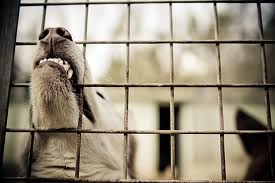
Dogs Souls Not Meant to be Caged

dog cages gpacharities.ush

Set them free…

Dogs were created to be a companion with humans.

Their souls, just as our souls must be free to be fully alive.

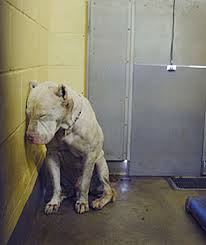
Help us free the souls of 8 million dogs and cats slowly dying in animal shelters in America.

Join us and make a donation today. Donate

Ignorance Kills 4 Million Homeless Pets Yearly

GPACharities.us


We believe that all homeless pets can be saved.

We believe that we must stop killing 4 million homeless pets each year. In this day and age there is no reason that we cannot save them all. 

The only thing that is stopping us is ignorance… Ignorance kills. The antidote to ignorance is education. Education is our vision to create a no-kill America. The only thing that will stop us is good people standing by and not acting.

Please do not stand by any longer and turn a blind eye to the slaughter of the  innocents. Join with us. Help us bring light to darkness. 

Help us educate. Help us save lives. We are your friends, neighbors and community leaders who’ve come together to save lives.

 We are a gold star rated non-profit, recognized for humanitarian services to our communities.

Donate


Should Your Dog Or Cat Be Alkaline?

Should Your Dog Be Alkaline?

How Does an Alkaline Diet Affect Cancer Cells? Studies have shown that in the test tube, cancer cells and tumors thrive and grow in a more acidic environment. When the level of acid is lowered, tumors grow much more slowly. If this behavior occurs in the test tube, it stands to reason that cancer cells in the body would also be detrimentally affected by an overall alkaline environment.

Raw Pet Food Will Keep Your Dog Alkaline

It would also make sense that if the body’s pH is acidic, then the growth of cancer cells and tumors would be encouraged. By eating mostly foods that make the body’s pH more alkaline, there would be less of a chance for cancer cells to develop and grow. So, by adjusting the diet, it is actually possible to create a less hospitable environment for cancer cells, thus improving a person’s/dog’s chances of experiencing good health.

Proper pH, Will Improve Your Pet’s Quality of Life. Tissues in the body are prone to disease of all sorts, including cancer, if they become deficient in oxygen. To understand why, it is helpful to understand the nature of acidity and alkalinity. Cancerous tissues are acidic, where healthy tissues are alkaline. Water (H2O) taken into the body eventually breaks down into H+ and OH-. When a solution contains more H+ than OH- it is acidic. When it contains more OH- than H+ it is alkaline.

When oxygen is introduced into an acidic solution it will combine with H+ ions to form water. Oxygen helps neutralize acid, but acid also prevents oxygen from reaching the body’s tissue. Acidic tissue is devoid of free oxygen as tissue needs oxygen to remain healthy.

The pH scale ranges from 1 to 14, with 7 being neutral. Below 7 is acidic and above 7 is alkaline. The blood, lymph and cerebrospinal fluid in a dog’s body are designed to be slightly alkaline at 7.0 – 7.5 (6.1 – 6.4 for cats). At a pH slightly above 7.4, cancer cells become dormant and at pH 8.5 cancer cells will die while healthy cells will live.

Acidity Causes and Why You Want To Avoid this State:

• Increases anaerobic activity.

• Reduces amount of oxygen in the blood.

• Cancerous tissues are acidic and devoid of oxygen.

• Leaches calcium from bones & is released into the kidney,

resulting in stone formation before being excreted.

• Acidosis is excessive consumption of protein, which is metabolized “acidically” because of sulfur content.

• Without enough oxygen the DNA self-repair mechanism will not function causing free radical damage.

Detox:

Of great importance to the health of your pets is the implementation of an ongoing detox protocol. Drag the toxins out so the nutrients can increase wellness.

Nutramin Mineral Detox, Bone and Joint Remineralization, Digestion and more.

The Dogma Natural Pet Market

8420 Main Street

Woodstock, GA 30188

678.460.6DOG

Thank you to Canine Caviar for the information.

Art Show & Bark B Que – For K 9 Memorial

Green Pets America

Woodstock, GA


Order Tickets Here: https://www.eventbrite.com/e/art-show-bark-b-que-for-k-9-memorial-tickets-11127311087?ref=wpwidget


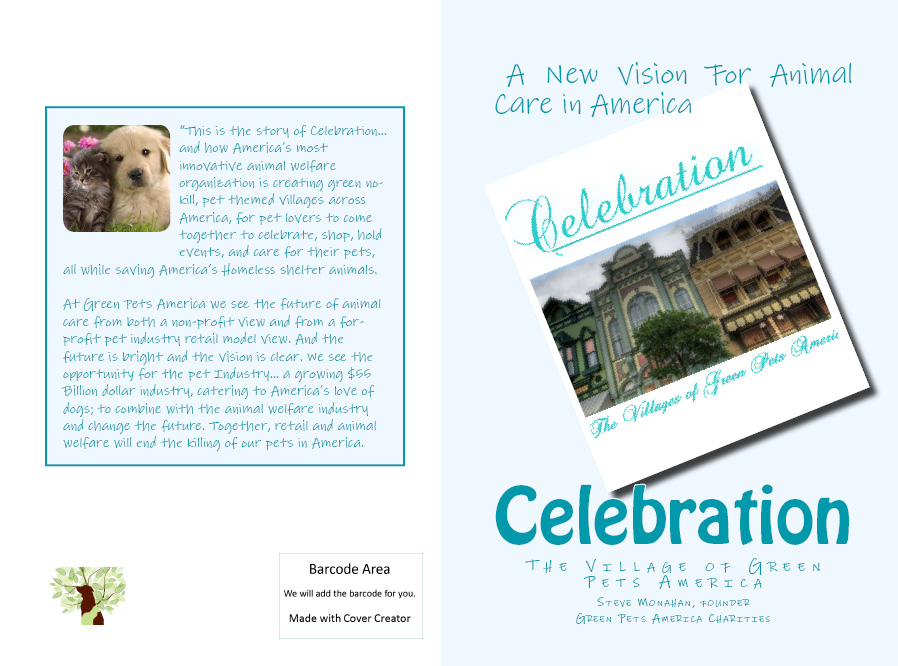
Celebration – a New Vision For Animal Care in America

book celebration

“It’s the story of Celebration… and how America’s most innovative animal welfare organization is creating green no- kill, pet themed villages across America, for pet lovers to come together to celebrate, shop, hold events, and care for their pets, all while saving America’s Homeless shelter animals.

At Green Pets America we see the future of animal care from both a non-profit view and from a for-profit pet industry retail model view. And the future is bright and the vision is clear. We see the opportunity for the pet Industry.. a growing $55 Billion dollar industry catering to America’s love of dogs; to combine with the animal welfare industry and change the future. Together, retail and animal welfare will end the killing of our pets in America.

Book Forward:

We Americans are a kind and caring people. We may differ on many levels but when it comes to our pets we all love them dearly. We intuitively know in deep within our hearts that we have the responsibility to be good stewards of Gods animals.

We understand that the lives of our companion animals are deeply woven into our very being, closer than our own breath. We care for and love them, intuitively knowing that our own lives would suffer if they were not here with us.  Scholars tell us the greatness of a Nation, its people and its moral character can be judged by the way it treats its animals. Americans love animals and want to protect and build a better, safer world for them.

Why do we love them so? Why do so many of us have dogs or cats, or other pets in our homes. On my street alone eight out of ten of my neighbors have a pet. Many have more than one as do my wife and I. It’s a joy to watch everyone out walking their dogs and socializing and bonding together as a community.

So why do we have these companion animals with us? Look around this world, while it is on one hand full of hope, on the day to day side it can often be hectic and chaotic. But pets are our rock and source of unconditional love. No matter what happens in the fast paced outside world during the day, when we come home we know our pets will greet us with a wagging tail and love.

Isn’t it nice knowing someone has been patiently awaiting your return? And on top of that they don’t judge or second guess or criticize us, they just show us love.

There are over 95 million cats and 70 million dogs in American homes. The pet industry is booming. People spend money on their pets as if they were their children; too many if not most of us, we see them as our children. They give us unconditional love in a time when love is hard to come by. Americans spend over $55 billion on pet care. This spending is growing every year, even as other economic sectors decline. Over 63 percent of all households in the United States have a companion animal as part of their family. And financial donations to animal charities are the fastest growing segments in American philanthropy.

But alas there is another story; one most Americans are not aware of. It’s the story of over four [4] million healthy dogs and cats euthanized yearly in America’s shelters. We share these statistics with people and they are taken back.

Most Americans are not aware of this dark side, of an otherwise bright future for our companion animals. After people learn that we are killing over twelve thousand [12,000] pets daily, four million [4] yearly in our community animal shelters they are appalled. They invariably ask us how do we fix this?

In this book we will outline for you exactly how we will fix this and change the course of pet care in America. We will do it by a hybrid business model of both for profit and non-profit strategies and 21st century thinking.

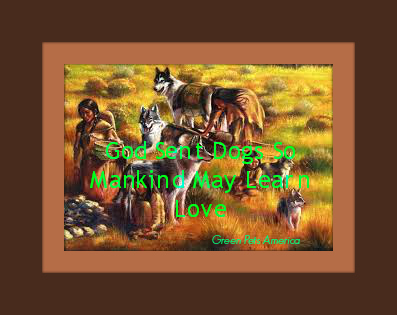
Why God Sent Mankind Dogs

north american indian dog quote

“In the beginning of all things, wisdom and
knowledge were with the animals,
for Tirawa, the One Above, did not
speak directly to man.
He sent certain animals to tell men 
that he showed himself only through the animals,
so that from animals, the stars,
the sun, and the moon, mankind,
should learn how to live together in peace”

North America Indian Quote – Lesa Pawnee

What’s Your Mission? Sustaining Your Dog or Optimum Health?

Image

That’s really the question isn’t it? Are you the person that say, buys the Big Box Store Brand because you’re there and don’t give it a thought, plus it’s cheap? Or are you a serious companion dog owner with the thirst to do a better job with all of your family (including the 4-legged version)?

If you think about what goes in your dog, then I want to hear from you! All the cliches apply here, “You get what you give, crap in, crap out, and on”! But, it really is the truth. Are you saving money on generic food, because it’s cheap but, going to the vet regularly for various issues such as, skin, diabetes, obesity, thyroid, ear infections? These can be issues because what you are feeding is inadequate nutritionally. Most vets will treat the symptoms and not talk about diet. Diet is key and can act as medicine to clear skin issues and detox the system.

What I’ve learned over decades of companion dog ownership, including show dogs, and my years working inside natural pet food manufacturers, is you get what you pay for. As an example, you can get a steak at a top notch steak house or go to one of those buffet bars and get one there. Ingredients make the food. Is the plant clean? Are they getting hormones, antibiotics? Is the company using downed animals? It happens, don’t be fooled or shocked.

We at The Dogma Natural Pet Market make it important to know, just what do the animals eat that I am feeding to my dogs? I will drill down and get the information. I’ve done the research and the studying. Let me share it with you. We hold the manufacturers to their word and learn where the ingredients come from. Since, I know the in and outs, and I can muddle through the marketing goop and get the facts. I make it part of my job to do the due diligence and discover what is really going in to these foods and make the correct decisions on what food to carry and remedies to suggest. You won’t find a lot of foods you see on other shelves here. There’s a reason for that. Let’s Talk! 

The Dogma Natural Pet Market
8420 Main Street
(at Rope Mill & The Railroad Tracks)
Woodstock, GA 30188
678.460.6364
thedogmaonline@gmail.com
www.shop.thedogmaonline.com


Treat Canine Problem Behaviors With Nutrients

Image

Rescue Angels (what I call those who rescue a dog or cat) that open their hearts and homes to a new pet have certain challenges to address in many circumstances. The pet surely was in a compromised position that lead to their surrender and abandonment. It could of been a pet with a behavior that the owner couldn’t control.

Most breeds of dogs have evolved to serve a certain specific purpose for humans. Herding, retrieving and guarding are examples. The purpose for which dogs were originally bred influences their physical and behavioral characteristics to this day, even though most dogs no longer have jobs to do for their humans.

Today’s dogs also live inside houses with their families, where they are expected to behave with ‘indoor manners. The natural instincts of dogs are often at odds with their lifestyles today.

As a result, millions of wonderful animals are dropped off at shelters each year by people who can’t or aren’t willing to manage disruptive canine behaviors like aggression, destructiveness,  running away, excessive barking and house soiling. That said, a lot of pet owners are interested in learning how to deal with their pet’s undesirable behavior. Obedience training is the route many dog parents take.

Meanwhile, a handful of researchers are investigating the role nutrition plays in canine behavior, and whether adding or removing specific nutrients from the diet alters a dog’s temperament and conduct.

Dr Karen Becker DVM Wrote This About The Subject:

How Certain Nutrients May Improve Problem Behavior in Dogs

Behavior in animals (including humans) is regulated by neurotransmitters and hormones. These substances have precursors, which are chemical compounds that precede them in metabolic pathways.

The main theory behind nutrition and its ability to alter canine behavior is that making these precursors more – or less – available, may make a difference in a dog’s conduct.

Tryptophan, for example, is the precursor of serotonin (a neurotransmitter). It is believed its presence or absence may affect aggression and stress resistance in dogs.

Tyrosine, a precursor of catecholamines (hormones produced by the adrenal gland), may also affect aggression and stress resistance.

Tryptophan and Tyrosine

Let’s take a look at some of the nutrients being studied for their possible beneficial effects on canine behavior. Unlike tryptophan, tyrosine is usually found in high concentrations in high protein meals.

Low-Protein Diets

Tryptophan is one of the large neutral amino acids (LNAA) that can cross the blood-brain barrier depending on how much free tryptophan and other LNAA are available in the body. Increasing dietary tryptophan through supplementation can increase the amount of serotonin in the brain, which has been shown to reduce aggression and improve recovery from stress in some animals.  Even though tryptophan is found in protein-containing foods, it is in relatively small supply compared to other LNAA. And in fact, a high protein meal actually decreases the ratio of tryptophan to other LNAA. This is why dietary supplementation is recommended.

A few studies conducted outside controlled experimental environments have  been used to measure the impact of lower protein diets on aggressive dogs.

The results are largely inconclusive. In addition, while there may be a link between low dietary protein and decreased aggression in other types of animals, I’m unconvinced this is a useful approach for carnivores.

Just as feeding your dog a raw diet will not, as some people believe, give him a taste for blood and drive him to randomly prey on cows or chickens or sheep, neither do I believe a diet rich in animal protein makes dogs more aggressive.

I would never recommend reducing the amount of high-quality protein in a dog’s diet in an attempt to modify behavior.

Nourishing your pet with a grain-based diet will induce an insulin release (to balance high blood sugar after ingesting a high carb diet), and in turn, a cortisol release (to balance low blood sugar). Similar to people who have 10:00 am and 2:00 pm post-meal sluggishness (and require a nap), dogs will become more sedate after ingesting insulin-prompting carbohydrates.

Nourishing a dog with protein means no post-meal sluggishness … another way of saying, ‘No nap required! Ready to play at any time!’  Although carb-loading has become a common trend with humans, carb loading dogs (to induce the post-carb ‘downer’ effect) isn’t an appropriate behavior moderation tool, in my opinion. Training and exercise are the correct tools to deal with behavior issues, not feeding an inappropriate diet to create a more sedate dog. I absolutely believe the nutrition you feed your companion animal influences the workings not only of her body from the neck down, but also her brain and to some extent her behavior.”

Fascinating information, I always look to Dr Karen Becker and Dr Carole Osborne for their expertise. We’ve dedicated our lives and business to obtaining the “nutrition sweet spot” where canine and feline wellness can thrive. We ask our customers what their goals are? To sustain their dog or to achieve optimum wellness?

The Dogma Natural Pet Market

Valerie Marshall

8420 Main Stree

Woodstock, GA 30188

www.thedogmaonline.com

thedogmaonline@gmail.com

678.460.6364

How interacting with a pet helps you overcome mild depression

Dog Doctor Green Pets America Communities.org

How does interacting with a pet help you overcome worry or mild depression?

When we are worried or stressed we are deeply focusing on our self. And the more we worry and focus inward on our self the worse things get. We create a downward spiral. We keep thinking about what our problem is and what we do not want. Our brains are programmed to give us what we think about. And therefore our brain gives us more of the very problem we have –  because that is all we focus on and think about.

So by playing with your pet, by stopping the incessant negative thinking about yourself, by taking your mind off your problem, by having it on something positive, something loving outside your mind your brain relaxes. And when it relaxes it starts to figure out solutions to fix what ever it is that is worrying you..

Playing with, talking with, or petting your pet stops you from your inward focus. It stops you from digging the hole deeper. It allows the attention and love of your pet to magically pull you up and out of the hole you have dug.

How do I know this? From medical research studies, from talking with clients I coach, from talking with friends and from first hand experience. When I survived the operation that healed my disease I worried about it coming back. I worried if they got it all. That worrying about myself put me into a state of negative energy. It also made me mildly depressed. Medicine did not help. Anti depressant’s did not work. What worked was starting a non-profit animal charity that made me focus on others and not me. That worked almost immediately. And to this day playing with Australian Shepard, a dog I rescued personally from a death row shelter, the day before he was to be killed, and helping people and pets cured my self-centered worrying.

Pets really do save our lives. Pets and man & woman are bonded together – and together wellness happens

Green Pets America Communities, Pet depression and worry

gpacharities.us

http://www.GPAcharities.us

Why Does The Humane Society Fight Laws That Save Dogs?

We now have a proven solution to shelter killing and it is not difficult, expensive nor beyond practical means to achieve. And the large national animal protection groups should be working feverishly to ensure that the model is replicated in every community in the country. But they are not.

 This article is from Nathan J. Winograd is the director of the national No Kill Advocacy Center and the author of three books on animal shelters. Learn more at nathanwinograd.com.

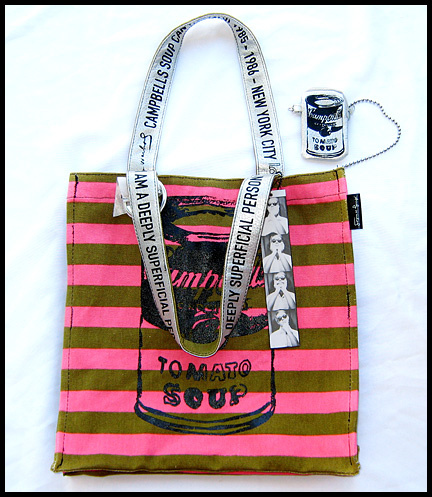
2013-09-26-WarholBag

Several years ago, my wife was given a tote bag purchased at the Museum of Modern Art (MOMA) gift shop in New York City. The bag has an “Andy Warhol” theme, and, therefore, not surprisingly, it also has a sense of humor. It’s made of pink and green striped canvas with a large Campbell’s Tomato Soup can–arguably Warhol’s most iconic work–printed on its front and back. Running up the straps is the famous Warhol quote, “I am a deeply superficial person.” Inside, at the end of a long, silver chain is a soup can shaped coin purse. But the real gem–the pièce de résistance–is what was tucked discreetly inside an inner pocket of the bag: a photocopy of a 1956 letter written to Andy Warhol by the then Director of MOMA Collections, rejecting the donation of one of his drawings.

It’s a masterfully written letter, gracious in actual word choice, but dripping in sarcasm. You can infer just how audacious the Committee considered Warhol to be for daring to suggest that his art belonged in their venerable institution. Little did they know the joke was on them; as Warhol’s paintings have recently sold for as high as $100 million, and MOMA now boasts over 130 Warhol pieces in its collection.

“Last week our Committee… held its first meeting of the fall season and had a chance to study your drawing entitled Shoe which you so generously offered as a gift to our museum,” begins the letter. “I regret that I must report to you that the Committee decided, after careful consideration, that they ought not to accept it for our Collection.” It then goes on to explain that because storage space is limited, they had to decline a work that, in their words, would be “shown only infrequently.” The letter ends with the most ironic post script in the history of letter writing: “P.S. The drawing may be picked up from the Museum at your convenience.” At his convenience?! Where? At coat check?

Given the perspective afforded by hindsight, the letter is, of course, comical. And kudos to MOMA for being able to laugh at, indeed, fess up to, what in the end was a monumental blunder on their part. As art lovers, we can laugh along with the Museum and even appreciate their self-deprecating humor. We can forgive, forget, and move on, because in the world of art, when non-profits such as the Museum of Modern Art screw up, when they become insular, short-sighted, or fail to keep informed or open minded about the evolving field in which they are supposed to be the “experts,” no one dies as a result. Egos are bruised, money is lost, perhaps careers are stalled, but no one dies. And true genius lives on to vindicate itself–and even settle the score–at a later date.

The same, however, cannot be said about all non-profits. For some, the stakes in which they engage are so high, that their advocacy–when ill informed, antiquated and regressive–can have harmful, even deadly results. They, therefore, have a greater responsibility to stay informed and on top of the innovations within their field. They deserve to be–and must be–held to a higher standard. This is why the recent recommendation by the Humane Society of the United States telling animal shelters that whether they choose to implement lifesaving programs or not is entirely within their discretion, is such a betrayal not only of their mission, but, more importantly, the animals on whose behalf they claim to speak.

It is especially intolerable because it has been almost two decades since the cure for the “disease” of shelter killing has been discovered and successfully implemented. Animals enter shelters for a variety of reasons and with a variety of needs, but for over 100 years, the “solution” has been the same: adopt a few and kill the rest. The “No Kill Equation” model of sheltering provides a humane, life-affirming means of responding to every type of animal entering a shelter, and every type of need those animals might have. Some animals entering shelters are free-living cats who are not socialized to humans. At traditional shelters, they are killed, but at a No Kill shelter, they are neutered and released back to their habitats. Some animals entering shelters are motherless puppies and kittens. At traditional shelters, these animals are killed as well. At a No Kill shelter, they are sent into a foster home to provide around-the-clock care until they are eating on their own and old enough to be adopted. Some animals have medical or behavior issues. At a traditional shelter, they are killed. At a No Kill shelter, they are provided with rehabilitative care and then adopted. Whatever the situation, the No Kill Equation provides a lifesaving alternative that replaces killing. And when a shelter puts them all together, and implements them comprehensively, they achieve No Kill.

Through the No Kill Equation, every healthy and treatable animal entering a shelter can have a new beginning instead of the end of the line they face, if those shelters commit themselves wholeheartedly to building the infrastructure necessary to create and sustain a No Kill nation. We do that by institutionalizing the series of programs and services which replace killing and which have allowed for overnight success in the many shelters across the country that have already dedicated themselves to that end; programs like foster care, offsite adoptions, socialization and behavior rehabilitation, thorough cleaning and care standards, medical care both as prevention and for rehabilitation, working with rescue groups, neuter and release, pet retention, progressive field services/proactive redemption, marketing and adoptions, and of course, progressive and imaginative leadership.

Today, hundreds of cities and towns across America are serviced by shelters saving between 90% and 99% of all animals because they are doing so, while some shelters are killing as many as 99% of the animals because they are not. Can anyone with even a hint of compassion actually say it is better to kill baby kittens than bottle feed them? Kill animals rather than promote adoptions? Kill animals rather than work with rescue groups? Of course not, especially since implementing alternatives to killing is more cost-effective, and in many cases, cheaper than killing animals. Tragically, however, many shelter directors have decided that it is better to kill baby kittens, to kill animals despite rescue groups ready, willing and able to save them, and to kill animals rather than keeping them alive long enough to find homes. In fact, some shelters have no adoption hours, are not open to the public for adoptions, and refuse to do any adoptions, choosing to kill the animals instead.

We now have a proven solution to shelter killing and it is not difficult, expensive nor beyond practical means to achieve. And the large national animal protection groups should be working feverishly to ensure that the model is replicated in every community in the country. But they are not. Instead, after admitting that these programs are crucial to save lives, they tell shelters that not only do they “remain at the discretion of each community to choose whether and how to implement” but that they should not be criticized for refusing to do so, while millions of animals continue to lose their lives in shelters every year precisely because those shelters have chosen not to. Worse, they tell activists that they should not try to force shelters to implement those programs, even though doing so would save the lives of the animals they are currently killing. In other words, HSUS is telling shelters that these programs are necessary to save lives, but they do not have to do them and can choose to kill the animals instead.

Today, thanks to activists who succeeded in introducing and passing a law, it is illegal for a California shelter to kill animals when non-profit rescue groups are willing to save them. Before the California law went into effect, only 12,526 animals were being transferred from shelters to rescue groups statewide in a given year. The rest were being killed at largely public expense because many shelters were openly hostile to rescue groups. That number now stands at 58,939–a 370% increase in annual lifesaving, all at no cost to taxpayers. In fact, it saves taxpayers the cost of killing animals and discarding their remains. And since shelters are permitted to charge an adoption fee, it brings in badly needed revenues: potentially millions of dollars annually to shelter coffers across the state. Ironically, this is a law that HSUS opposed and lambasted, in effect telling legislators that over 40,000 additional animals every year were better off dead.

They continue to oppose similar legislation in other states, including Florida and New York, despite surveys showing that 63% and 71% of rescue groups respectively have reported being turned away from shelters in those states, which then turned around and killed the very animals the rescue groups offered to save. When activists sought a San Francisco ordinance to require local shelters to implement alternatives to the killing of dogs and cats for reasons that included being shy, scared, or too fat, HSUS sided with the shelter, explicitly stating that shelters should not be regulated as they are the “experts” who know best. When California sought to roll back protections for animals, HSUS agreed with the decision. And just this month, HSUS and other groups released a report telling California shelters that despite the fact that the programs of the No Kill Equation save lives, they need not implement them, and cautioning activists not to seek legislation that would force them to do so. In short, the decision as to whether or not animals should be saved remains, according to HSUS, a voluntary one.

Why? Having been given a free ride to continue killing in the face of readily-available, common sense and reasonable lifesaving alternatives for so long and to blame others (i.e., the “irresponsible public”) for the killing that they do, shelters do not want to be held accountable. Tragically, they have been allowed to get away with this intransigence because groups like HSUS which should be their fiercest critics for failing to do so, have instead chosen to provide them political cover, revealing a muddled understanding of what should be their mission: acting as lobbyists for the animals who are being killed in shelters instead of lobbyists for the shelters which are killing them.

We cannot achieve nor sustain a No Kill nation unless shelters implement the No Kill Equation, and that means mandating how shelters operate. For No Kill success to be achieved, widespread and long lasting, we must give shelter animals the rights and protections afforded by law. Every successful social movement results in legal protections that codify expected conduct and provide protection against future conduct that violates normative values. We need to regulate shelters in the same way we regulate hospitals and other agencies which hold the power over life and death.

It is time for the animal protection groups to move beyond the stymieing fiction that the entrenchment within the animal sheltering industry to innovation and improvement can be overcome through voluntary, rather than mandated means. Doing so is premised under the most tenacious lie that continues to allow for the killing of millions of animals every year: that all of those working in animal protection will willingly do what is necessary to stop killing, without being forced, by law, to do so if we just educate them on what to do. Not only are the programs of the No Kill Equation well-known and largely obvious, this approach has never worked, and the result has been the needless deaths of millions of companion animals every year. Nonetheless, HSUS and its acolytes pretend otherwise; clinging to their regressive, “deeply superficial” policies, to the animals’ continued peril.