What Are Eco Green No-Kill Animal Shelters?

It’s quiet here, even through the hum of activity sun and fresh air stream in. People walk in and out, greeting each other, bending down to pat heads and smile at the little ones. Welcome to the  21st century  no kill animal shelter.
Green BuildingTo the casual observer, an animal shelter may not seem like much of a design challenge: a structure that safely houses stray animals for subsequent adoption.  But start to consider the details of the building. It must hold different types of animals, in differently sized pens, for variable lengths of time. It should be accessible to the public and welcoming to volunteers while maintaining strict health and safety standards. It has limited staff and resources but must relentlessly promote adoption. Day-to-day operations require basic medical capabilities, laundry facilities, storage, and quarantine areas. It must not be too big (causing unnecessary maintenance and staffing demands) or too small (causing overcrowding and/or excessive distress to the animals).

“Because of their unique services, animal shelters must have the disease-prevention components of a hospital, the functional capabilities of a police station, and the user-friendly appeal of a library, ” said Geoffrey L. Handy with The Humane Society of the United States.

no kill animal shelter USA

Historically, shelters have gotten little architectural consideration. The prototypical shelter — a concrete building with individual chain-link kennels — reflects this inattention. Many of these structures were built-in the 1950’s and 1960’s and provided few areas for play, enrichment and human attention. This utterly utilitarian approach reflected the mentality that shelters are mere holding facilities.

no kill shelter USA

Over the following decades, public attitudes toward animal welfare, low-cost spay/neuter policies, and responsible pet ownership evolved. Euthanasia rates dropped from around 24 million pets in 1970 (around 81 percent of those entering shelters) to 6 million (around 58 percent of those entering shelters) in 1996, but shelter directors wanted to drop that number further. They began to think about how facility design could enhance their mission by boosting adoption numbers and creating a better experience for both animals and visitors, and a few architects recognized an opportunity to influence the effectiveness of these organizations from the outside in.

Group (or pod) housing is a newer development with a big, direct impact on the quality of life of shelter dogs. It can take many forms — from modestly sized rooms or kennels that house two to three pups, to shared play spaces that allow caregivers to control how much time dogs spend together and apart. Isolated housing is still used, as it can be beneficial in certain contexts, like with newly admitted dogs undergoing medical or behavioral evaluations.

The Humane Society of Silicon Valley (HSSV), a shelter in Milpitas, CA, recently constructed a new facility (pictured above) they call an “animal community center.” There, temperamentally compatible dogs may be housed in small groups once they pass their medical exams and behavioral evaluations. They live in “real life”-type rooms with proper doors and occasional furniture, which acclimates them to scenarios they will find in new homes when they are eventually adopted. The rooms are designed to insulate noise effectively, reducing stimulation from outside commotion. This isn’t only beneficial to the dogs; it also has a huge impact on visitors, who are no longer overwhelmed by cacophonous howling. Functionally, the real life rooms mean the dogs have less casual exposure to the public, so volunteers are trained to facilitate visits and give potential adopters the tactile experience of meeting the dogs.

While shared, real-life rooms have their advantages, for many shelters they are not an option due to budget, space or staff limitations. For those cases there are other design solutions.

Dr. Kate Hurley is the program director for the Koret Shelter Medicine Program at UC Davis. She advocates dog runs (housing one or more pups) split into two sides by a guillotine door. These runs give shelters greater flexibility. Dogs can be grouped in compatible pairs in the runs, with the doors left open to allow more space to run around. Or, if and when it makes more sense, the guillotine door can be lowered to keep dogs separated. This solution is useful for shelter staff as it facilitates quick and sanitary cleaning protocols, allowing kennel attendants to isolate dogs on one side of the run by closing the door while they clean the other side, minimizing disease contamination. The guillotine door can also be raised and lowered to manage structured play and quiet time, as well as during feedings, to minimize food guarding between pups.

grenbld

Kennels that are divided into two areas — whether real-life rooms or more typical runs split by guillotine doors — have an important added benefit to the dogs’ well-being and stress levels. By creating a space for the pups to eliminate apart from their sleeping and eating area, shelters promote good bathroom habits. A canine has such a strong urge to separate its eating and sleeping space from its elimination areas that, according to Dr. Hurley, around 75 percent of all shelter dogs — even strays — will do this given the opportunity. According to Hurley, this significantly reduces stress and supports a desired behavior once the dog goes to its adopted home.

Additional kennel features create an environment that is easier to clean, manages odors better, and helps control disease. Sealed concrete flooring, for example, saves significant amounts on heating and cooling bills — funds that can be funneled back into animal care. High-density coatings for interior walls and floors withstand pressure hoses and detergent better than other finishes. Kennel areas with plenty of windows that bring in as much natural air and light as possible help reduce odors and create a healthier and more soothing experience for both the animals and their visitors. Observation/isolation rooms with self-contained ventilation systems allow ill dogs to be treated without jeopardizing other members of the population.pet park USA

Better design doesn’t just help the dogs who live there but it’s also beneficial for the people who visit, volunteer, and work at the shelter.

For staff, play and rest areas that keep dogs more comfortable and stress free help create a calmer and safer work environment. Hutchison observes that “real-life rooms, well-designed kennels, and other features help volunteers and staff work with animals in a non-threatening, comfortable environment.”

Facilities that are cheerful, light and welcoming also create a more pleasant experience for visitors who are turned off by the “sad factor” of entering a shelter, expecting to find dogs in prison-like conditions. Kennels with home-like furnishings or enough space for chairs, for example, allow people to interact with the animals more easily and feel comfortable taking the time they need to get to know their potential new companions.
images

Facilities that are pleasant to be in also naturally attract increased volunteer interest. Jeanne Wu, vice president of human resources and volunteering at HSSV, says that the number of volunteer hours given to the organization has grown 40 percent, from 53,000 to more than 74,000, since it moved to its new facility two years ago. The number of volunteers has also increased, by about 50 percent. HSSV values these hours at about $1.5 million per year — an incredible boon to the organization. Wu explains that HSSV, which has 95 full-time staff members, could not maintain optimal levels of socialization, care, and adoptions without altruistic help. Bill Hutchison feels the same way, “Volunteers enjoy being a part of such a progressively designed facility. Having a variety of design functions that address the needs of animals in many different situations is important to volunteers who know that animals in shelters have unique needs.” A dedicated volunteer room with lockers for personal items and a place to sit down, socialize, and relax supports morale and makes the shelter a fulfilling and comfortable place to spend time.

8xlnbpdqedy9xyz9

While designing a shelter that includes enriching features can cost more money, certain elements may save money over the long-term through energy savings, an increase in volunteer numbers and/or hours, or reduced medical expenses. Through the design and integration of better systems for disease-management and stress reduction, UC Davis’ Hurley sees shelters slowly shifting from being primarily adoption centers to places where prevention happens. One day their focus may even transition from finding homes for surrendered pets and strays to providing services — such as low-cost training, behavioral hotlines, and workshops to troubleshoot problems with neighbors or landlords — to help keep animals in their homes, thereby avoiding the shelter system entirely.

donate button

One day we will see no-kill state of the art green movement animal shelters across America –

All things can happen if you believe and if you work towards them.

Green Pets America.org

Rescue Recycle Relove

Donate Now To Help us Build Green No Kill Shelters

Go Green

Ignorance Kills 4 Million Homeless Pets Yearly

GPACharities.us


We believe that all homeless pets can be saved.

We believe that we must stop killing 4 million homeless pets each year. In this day and age there is no reason that we cannot save them all. 

The only thing that is stopping us is ignorance… Ignorance kills. The antidote to ignorance is education. Education is our vision to create a no-kill America. The only thing that will stop us is good people standing by and not acting.

Please do not stand by any longer and turn a blind eye to the slaughter of the  innocents. Join with us. Help us bring light to darkness. 

Help us educate. Help us save lives. We are your friends, neighbors and community leaders who’ve come together to save lives.

 We are a gold star rated non-profit, recognized for humanitarian services to our communities.

Donate


Why Does The Humane Society Fight Laws That Save Dogs?

We now have a proven solution to shelter killing and it is not difficult, expensive nor beyond practical means to achieve. And the large national animal protection groups should be working feverishly to ensure that the model is replicated in every community in the country. But they are not.

 This article is from Nathan J. Winograd is the director of the national No Kill Advocacy Center and the author of three books on animal shelters. Learn more at nathanwinograd.com.

2013-09-26-WarholBag

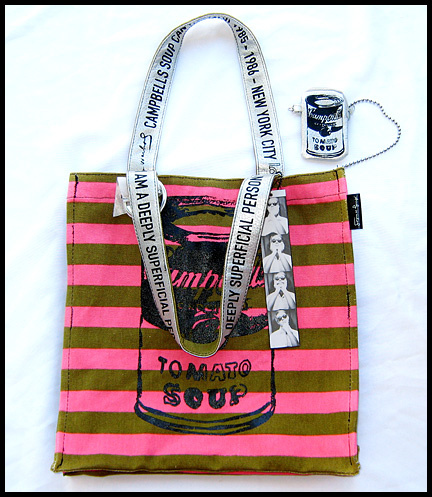
Several years ago, my wife was given a tote bag purchased at the Museum of Modern Art (MOMA) gift shop in New York City. The bag has an “Andy Warhol” theme, and, therefore, not surprisingly, it also has a sense of humor. It’s made of pink and green striped canvas with a large Campbell’s Tomato Soup can–arguably Warhol’s most iconic work–printed on its front and back. Running up the straps is the famous Warhol quote, “I am a deeply superficial person.” Inside, at the end of a long, silver chain is a soup can shaped coin purse. But the real gem–the pièce de résistance–is what was tucked discreetly inside an inner pocket of the bag: a photocopy of a 1956 letter written to Andy Warhol by the then Director of MOMA Collections, rejecting the donation of one of his drawings.

It’s a masterfully written letter, gracious in actual word choice, but dripping in sarcasm. You can infer just how audacious the Committee considered Warhol to be for daring to suggest that his art belonged in their venerable institution. Little did they know the joke was on them; as Warhol’s paintings have recently sold for as high as $100 million, and MOMA now boasts over 130 Warhol pieces in its collection.

“Last week our Committee… held its first meeting of the fall season and had a chance to study your drawing entitled Shoe which you so generously offered as a gift to our museum,” begins the letter. “I regret that I must report to you that the Committee decided, after careful consideration, that they ought not to accept it for our Collection.” It then goes on to explain that because storage space is limited, they had to decline a work that, in their words, would be “shown only infrequently.” The letter ends with the most ironic post script in the history of letter writing: “P.S. The drawing may be picked up from the Museum at your convenience.” At his convenience?! Where? At coat check?

Given the perspective afforded by hindsight, the letter is, of course, comical. And kudos to MOMA for being able to laugh at, indeed, fess up to, what in the end was a monumental blunder on their part. As art lovers, we can laugh along with the Museum and even appreciate their self-deprecating humor. We can forgive, forget, and move on, because in the world of art, when non-profits such as the Museum of Modern Art screw up, when they become insular, short-sighted, or fail to keep informed or open minded about the evolving field in which they are supposed to be the “experts,” no one dies as a result. Egos are bruised, money is lost, perhaps careers are stalled, but no one dies. And true genius lives on to vindicate itself–and even settle the score–at a later date.

The same, however, cannot be said about all non-profits. For some, the stakes in which they engage are so high, that their advocacy–when ill informed, antiquated and regressive–can have harmful, even deadly results. They, therefore, have a greater responsibility to stay informed and on top of the innovations within their field. They deserve to be–and must be–held to a higher standard. This is why the recent recommendation by the Humane Society of the United States telling animal shelters that whether they choose to implement lifesaving programs or not is entirely within their discretion, is such a betrayal not only of their mission, but, more importantly, the animals on whose behalf they claim to speak.

It is especially intolerable because it has been almost two decades since the cure for the “disease” of shelter killing has been discovered and successfully implemented. Animals enter shelters for a variety of reasons and with a variety of needs, but for over 100 years, the “solution” has been the same: adopt a few and kill the rest. The “No Kill Equation” model of sheltering provides a humane, life-affirming means of responding to every type of animal entering a shelter, and every type of need those animals might have. Some animals entering shelters are free-living cats who are not socialized to humans. At traditional shelters, they are killed, but at a No Kill shelter, they are neutered and released back to their habitats. Some animals entering shelters are motherless puppies and kittens. At traditional shelters, these animals are killed as well. At a No Kill shelter, they are sent into a foster home to provide around-the-clock care until they are eating on their own and old enough to be adopted. Some animals have medical or behavior issues. At a traditional shelter, they are killed. At a No Kill shelter, they are provided with rehabilitative care and then adopted. Whatever the situation, the No Kill Equation provides a lifesaving alternative that replaces killing. And when a shelter puts them all together, and implements them comprehensively, they achieve No Kill.

Through the No Kill Equation, every healthy and treatable animal entering a shelter can have a new beginning instead of the end of the line they face, if those shelters commit themselves wholeheartedly to building the infrastructure necessary to create and sustain a No Kill nation. We do that by institutionalizing the series of programs and services which replace killing and which have allowed for overnight success in the many shelters across the country that have already dedicated themselves to that end; programs like foster care, offsite adoptions, socialization and behavior rehabilitation, thorough cleaning and care standards, medical care both as prevention and for rehabilitation, working with rescue groups, neuter and release, pet retention, progressive field services/proactive redemption, marketing and adoptions, and of course, progressive and imaginative leadership.

Today, hundreds of cities and towns across America are serviced by shelters saving between 90% and 99% of all animals because they are doing so, while some shelters are killing as many as 99% of the animals because they are not. Can anyone with even a hint of compassion actually say it is better to kill baby kittens than bottle feed them? Kill animals rather than promote adoptions? Kill animals rather than work with rescue groups? Of course not, especially since implementing alternatives to killing is more cost-effective, and in many cases, cheaper than killing animals. Tragically, however, many shelter directors have decided that it is better to kill baby kittens, to kill animals despite rescue groups ready, willing and able to save them, and to kill animals rather than keeping them alive long enough to find homes. In fact, some shelters have no adoption hours, are not open to the public for adoptions, and refuse to do any adoptions, choosing to kill the animals instead.

We now have a proven solution to shelter killing and it is not difficult, expensive nor beyond practical means to achieve. And the large national animal protection groups should be working feverishly to ensure that the model is replicated in every community in the country. But they are not. Instead, after admitting that these programs are crucial to save lives, they tell shelters that not only do they “remain at the discretion of each community to choose whether and how to implement” but that they should not be criticized for refusing to do so, while millions of animals continue to lose their lives in shelters every year precisely because those shelters have chosen not to. Worse, they tell activists that they should not try to force shelters to implement those programs, even though doing so would save the lives of the animals they are currently killing. In other words, HSUS is telling shelters that these programs are necessary to save lives, but they do not have to do them and can choose to kill the animals instead.

Today, thanks to activists who succeeded in introducing and passing a law, it is illegal for a California shelter to kill animals when non-profit rescue groups are willing to save them. Before the California law went into effect, only 12,526 animals were being transferred from shelters to rescue groups statewide in a given year. The rest were being killed at largely public expense because many shelters were openly hostile to rescue groups. That number now stands at 58,939–a 370% increase in annual lifesaving, all at no cost to taxpayers. In fact, it saves taxpayers the cost of killing animals and discarding their remains. And since shelters are permitted to charge an adoption fee, it brings in badly needed revenues: potentially millions of dollars annually to shelter coffers across the state. Ironically, this is a law that HSUS opposed and lambasted, in effect telling legislators that over 40,000 additional animals every year were better off dead.

They continue to oppose similar legislation in other states, including Florida and New York, despite surveys showing that 63% and 71% of rescue groups respectively have reported being turned away from shelters in those states, which then turned around and killed the very animals the rescue groups offered to save. When activists sought a San Francisco ordinance to require local shelters to implement alternatives to the killing of dogs and cats for reasons that included being shy, scared, or too fat, HSUS sided with the shelter, explicitly stating that shelters should not be regulated as they are the “experts” who know best. When California sought to roll back protections for animals, HSUS agreed with the decision. And just this month, HSUS and other groups released a report telling California shelters that despite the fact that the programs of the No Kill Equation save lives, they need not implement them, and cautioning activists not to seek legislation that would force them to do so. In short, the decision as to whether or not animals should be saved remains, according to HSUS, a voluntary one.

Why? Having been given a free ride to continue killing in the face of readily-available, common sense and reasonable lifesaving alternatives for so long and to blame others (i.e., the “irresponsible public”) for the killing that they do, shelters do not want to be held accountable. Tragically, they have been allowed to get away with this intransigence because groups like HSUS which should be their fiercest critics for failing to do so, have instead chosen to provide them political cover, revealing a muddled understanding of what should be their mission: acting as lobbyists for the animals who are being killed in shelters instead of lobbyists for the shelters which are killing them.

We cannot achieve nor sustain a No Kill nation unless shelters implement the No Kill Equation, and that means mandating how shelters operate. For No Kill success to be achieved, widespread and long lasting, we must give shelter animals the rights and protections afforded by law. Every successful social movement results in legal protections that codify expected conduct and provide protection against future conduct that violates normative values. We need to regulate shelters in the same way we regulate hospitals and other agencies which hold the power over life and death.

It is time for the animal protection groups to move beyond the stymieing fiction that the entrenchment within the animal sheltering industry to innovation and improvement can be overcome through voluntary, rather than mandated means. Doing so is premised under the most tenacious lie that continues to allow for the killing of millions of animals every year: that all of those working in animal protection will willingly do what is necessary to stop killing, without being forced, by law, to do so if we just educate them on what to do. Not only are the programs of the No Kill Equation well-known and largely obvious, this approach has never worked, and the result has been the needless deaths of millions of companion animals every year. Nonetheless, HSUS and its acolytes pretend otherwise; clinging to their regressive, “deeply superficial” policies, to the animals’ continued peril.


Think Disney for Pets

Green Pets America Charities [GPAcharities.us] is an animal welfare organization whose mission is to celebrate the human & animal bond. Scheduled for 2015 we will build America’s first pet community center It will be an animal celebration community.Think Disney for pets. The Community on 20 acres will include.

  1. Events Stadium for indoor and outdoor events.
  2. Pet store selling pet food, pet clothes, pet treats etc.
  3. A store/center for dog training and people animal training.
  4. An adoption store with adoption areas for local shelters and rescue groups to bring their pets for adoption.
  5. Green adoption building for 50 rescue animals available for adoption.
  6. An eco green designed dog themed restaurant.
  7. A state of the art full service veterinary facility for public animal wellness exams.
  8. A pet shots only clinic.
  9. A spay & neuter facility for the public & rescue groups
  10. A full service pet grooming salon
  11. A self-service pet washing store
  12. Green dog park, multiple walking trails, and lots of open and wooded spaces for events, fairs and other outdoor animal focus activities.
  13. Community meeting facility for animal events and educational seminars.
  14. A Large animal themed people park with whimsical animal art.
  15. A pet boarding hotel.

The corner-stone to changing our animal care system in America will be the creation of these regional centers that animal lovers will go to adopt, celebrate with indoor & outdoor animal events, care for animals and shop and mingle with one another.

There are numerous places for people to come together to participate in activities they enjoy. For example our county has two aquatic centers for swimmers, a beautiful regional bike trail park for bikers, two YMCA centers, a senior center,two very small 1 acre dog fence parks. There are other facilities based on interest for the community as well. But although over 65 % of the public are animal owners there is really no large significant place for animal lovers to come together for activities and education. We will change that…think Disneyland for animal lovers and their family pets.Main Street shops 010411-L

  • Our first Pets America Community will be built on 20 acres of beautiful open green spaces with multiple green designed buildings and indoor/outdoor stadium in North Georgia, named Pets America Georgia. Picture a fun and beautiful one stop place for all things pets. The 30 acres would be a place for animal and human interaction and physical activities such as dog shows, dog agility events, pet merchandise store selling pet food, pet clothes, pet treats etc. A building for dog training, people animal training, animal welfare education. An adoption store with adoption areas for local shelters and rescue groups to bring their pets for adoption. A food concession stand. A veterinary facility for public animal wellness exams, annual shots and exams. A spay & neuter facility. A green dog park, walking trails and lots of open and wooded spaces for events, fairs and other outdoor animal focus activities. Picture a Disneyland for animals and animal lovers to come together and spend the day together as a community.

Green Pets America Charities was founded in 2006. Our mission is to celebrate the human and animal bond. We are an IRS Certified 501c3 nonprofit. We have been awarded the Gold Star seal for transparency and trust from Guide Star, America’s highest non-profit rating agency. Additionally Green Pets America received the humanitarian recognition from the State of Georgia Senate for serving Georgia’s families and animals.

UPDATE: 2-07-14. Committee meeting. Next step is finish business plan via additional research. Agreed that preliminary location demographics for population and income indicate Pets America of Georgia will be located north on Georgia 400 just outside Atlanta in Dawson County.

UPDATE: 2-13 -14: National Developer Identified

DONATE DOGgximage2 (1)linkedin

Green Pets America Vision

We are an animal rescue, advocacy and education organization. Our mission is to advance the animal care system in America by the creation of regional no-kill rescue and adoption villages. They will be regional sanctuaries and include villages & shops where animal lovers will go to adopt, celebrate, care for animals, purchase services and products, and mingle with one another and bring their pets with them.Think Disney for pets

pets america proposed shopping center

Each sanctuary & village will include:

  1. Agility Park & Arena for regional animal events
  2. Pet store selling pet food, pet clothes, pet treats etc.
  3. A building for dog training and people animal training.
  4. An adoption store with adoption areas for local shelters and rescue groups to bring their pets for adoption.
  5. Green building for 25 rescue animals.
  6. Dog friendly restaurant
  7. Veterinary facility for public animal wellness exams and annual shots.
  8. Spay & neuter facility for the public & rescue groups
  9. Green dog park, multiple walking trails, and lots of open and wooded spaces for events, fairs and other outdoor animal focus activities.
  10. Community meeting facility for animal events and educational seminars.

_________________________________

We believe the corner-stone to changing our animal care system in America will be the creation of these regional sanctuaries, where animal lovers can go to adopt, celebrate with indoor & outdoor animal events, care for animals and shop and mingle with one another.

There are numerous places for people to come together to participate in activities they enjoy. For example our county has two aquatic centers for swimmers, a beautiful regional bike trail park for bikers, two YMCA centers, a senior center,two very small 1 acre dog fence parks. There are other facilities based on interest for the community as well. But although over 65 % of the public are animal owners there is really no large significant place for animal lovers to come together for activities and education. We will change that…think Disneyland for animal lovers and their family pets.

  • Our Village –  will be built on 30 acres of beautiful open green spaces with multiple green designed buildings in North Georgia. Picture a fun and beautiful one stop place for all things pets. The 30 acres would be a place for animal and human interaction and physical activities such as dog shows, dog agility events, pet merchandise store selling pet food, pet clothes, pet treats etc. A building for dog training, people animal training, animal welfare education. An adoption store with adoption areas for local shelters and rescue groups to bring their pets for adoption. A food concession stand. A veterinary facility for public animal wellness exams, annual shots and exams. A spay & neuter facility. A green dog park, walking trails and lots of open and wooded spaces for events, fairs and other outdoor animal focus activities. Picture a Disneyland for animals and animal lovers to come together and spend the day together as a community.

Green Pets America was founded in 2006. Our mission is rescue, advocacy and reform. We work daily to end neglect, abuse, cruelty and exploitation of animals, ensuring that their interests and well-being are humanely protected as we work to end the 125 year old failed practice of euthanizing 4 million pets annually in America.

Green Pets America is a IRS Certified 501c3 nonprofit. We have been awarded the Gold Star seal for transparency and trust from Guide Star, America’s highest non-profit rating agency. Additionally Green Pets America received the humanitarian recognition from the State of Georgia Senate for serving Georgia’s families and animals.

Every year Americans discard 8 million dogs and cats. Our shelters adopt out 4 million and destroy the remaining 4 million. This tragedy must end. We can save over 4 million pets annually by creating adoption sanctuaries for celebrating, caring for and recycling not euthanizing Americas shelter pets.

Help us advance the animal welfare system in America.

DONATE DOGgximage2 (1)

Another Vision For No Kill – GREEN no-kill ANIMAL COMMUNITIES

Green Pets America Vision

The Vision of Green Pets America is to extend and link the green movement to the animal welfare movement; to end the dumping, discarding and destroying 4 million healthy and happy companion animals in America’s animal shelters yearly.

If it is the right thing to go green and recycle refuse is it not also as important, if not more so, to go green and recycle happy, health dogs and cats as well.

Our mission is to totally change the animal care system in America by the creation of “Green no-kill Animal Communities”. Regional destination centers that animal lovers will go to adopt, celebrate, care for animals and mingle with one another.

Every year Americans discard 8 million dogs and cats. Our shelters adopt out 4 million and destroy the remaining 4 million. This tragedy must end. We must become a Green Pets Nation. Please join with Green Pets America to advocate for going green!

Americans want a policy of “rescue & recycle” not “discard & destroy”. We can save over 4 million pets annually by recycling, not euthanizing Americas shelter pets. To achieve this goal we are working to open the first green animal community center in Georgia, north of Atlanta.

Green Pets America believes a more intelligent, efficient and humane way to care for shelter and homeless animals in America is possible and has developed a six-part strategy to accomplish it. The SIX Part Strategy focuses on:

  1. GREEN no-kill ANIMAL COMMUNITIES
  2. GREEN SANCTUARIES
  3. ADULT & KIDS EDUCATION
  4. SPAY & NEUTER
  5. COMMUNITY OUTREACH PROGRAMS
  6. ADOPTION STORES

The corner-stone to changing our animal care system in America will be the creation of “Green no-kill Animal Communities”. Regional destination centers that animal lovers will go to adopt, celebrate,care for animals and mingle with one another.

There are numerous places for people to come together to participate in activities they enjoy. For example our county has two aquatic centers for swimmers, a beautiful regional bike trail park for bikers, two YMCA centers, a senior center,two very small 1 acre dog fence parks. There are other facilities based on interest for the community as well. But although over 65 % of the public are animal owners there is really no large significant place for animal lovers to come together for activities and education. We will change that…think Disneyland for animal lovers and their family pets.

Green no-kill Animal Communities®

  • Our first Green no kill Animal Community will be built on 30 acres of beautiful open green spaces with multiple green designed buildings in Cherokee or Cobb County. Picture a fun and beautiful one stop place for all things pets. The 30 acres would be a place for animal and human interaction and physical activities such as dog shows, dog agility events, pet merchandise store selling pet food, pet clothes, pet treats etc. A building for dog training, people animal training, animal welfare education. An adoption store with adoption areas for local shelters and rescue groups to bring their pets for adoption. A food concession stand. A veterinary facility for public animal wellness exams, annual shots and exams. A spay & neuter facility. A green dog park, walking trails and lots of open and wooded spaces for events, fairs and other outdoor animal focus activities. Picture a Disneyland for animals and animal lovers to come together and spend the day together as a community.

About Green Pets America

Green Pets America was founded in 2006. Our  mission is rescue and animal welfare advocacy. We work daily to end neglect, abuse, cruelty and exploitation of animals, ensuring that their interests and well-being are humanely protected as we work to end the 125 year old failed practice of euthanizing 4 million pets annually in America.

Green Pets America is a IRS Certified 501c3 nonprofit. We have been awarded the Gold Star seal for transparency and trust from Guide Star, America’s highest non-profit rating agency. Additionally Green Pets America received the humanitarian recognition from the State of Georgia Senate for serving Georgia’s families and animals.

We are a no kill green recycle and adopt organization, dedicated to finding safe loving homes for all adoptable pets we rescue.  We are proud to be a part of the no kill solution to ending pet homelessness and abuse in America

If you want to SAVE 4 million dogs & cats yearly please join with us. Any donation will make a difference.

We have received the highest level “GuideStar Gold Award” for transparency and trust.

DONATE DOGgximage2 (1)

cropped-gpa-400dpi1.jpeg

Americas new mantra “Rescue & Recycle” not “Dump & Destroy”

2dogs

Our mission at Green Pets America Communities is to end the 125 year old failed practice of euthanizing 4 million pets annually in America’s animal shelters. Every year Americans discard 8 million dogs and cats. Our shelters adopt out 4 million and destroy the remaining 4 million. This tragedy must end. We must become a Green Pets Society. We must “Rescue & Recycle” not “Dump & Destroy”

Please join with Green Pets America to advocate for going green! Rescue & Recycle must be our new animal welfare policy in America:There is a loving home out there for all homeless discarded animals.

The Benefits of Animals in a classroom

We believe that the hope of a better future for our animals and indeed our whole world lies in the hearts and minds of today’s children.

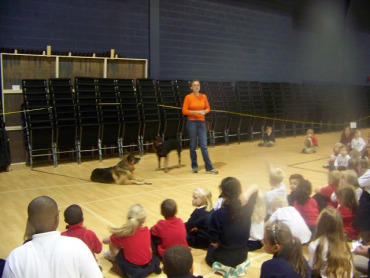
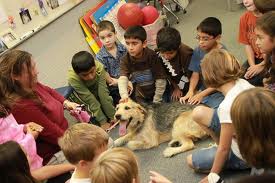
Education as well as rescue is part of our Green Pets America communities strategy to end killing over 4 million animals yearly in America’s animal shelters. We have various education programs including taking Green Pets America rescued dogs into  middle schools, high schools and college classrooms. We talk about animal care, homeless animals and how they can help make life better for animals in their community. It is much more that however. We want to have them learn how to work cooperatively, to learn empathy for animals and one another, and learn to be leaders.

Kids just love seeing and petting our rescue dogs and love to tell us about their own pet.

Green Pets America Communities at Cherokee Charter School

We live today in a new world. An exponentially accelerating changing world. Since the 1800’s that rate of change has accelerated every decade and has now reached exponential rapid change.The old social paradigm was “repetition reinforces repetition” – Think assembly line production, manufacturing and even education of our children.The paradigm shifted dramatically in the late 1980’s s and the world is now suffering through this dramatic change. The new paradigm is the polar opposite of the old repetition, repetition. Change not repetition is the new normal Today change begets new change…rapidly accelerating change.  In just 10 years from now children and adults who cannot adjust and contribute to a constantly changing world and society will be marginalized and stuck in dead-end jobs.We are experiencing that already.  We must immediately change the Pedagogy of how we educate our children, and the social skills they will need to thrive in this exponentially changing world. We believe we can help our children learn new skills and social interaction skills by tying it into fun animal education as well as social skills education.

dogs classroom

Despite the rapid change issues we must deal with in the short-term, the long-term outlook is positive. The future will be a world in which every single person learns how to become a contributor and collaborator and learn the skills; social and functional, to drive change in an exponentially changing world where solutions and opportunities must outpace problems.

boydogbook

Green Pets School Program Mission

Teach and develop children through animals. Focus on the social skills they will need to thrive in the new exponentially changing world.

  • Compassion for Animals
  • Responsible pet ownership
  • Ethical Leadership
  • Social Entrepreneurship
  • Creativity in career, problem solving and social challenges
  • Ethics in life and business
  • Teamwork
  • Empathy for others
  • dogbook

Our Children are our  hope for a better tomorrow. We are a  proud “Partner in Education” participant with the Cherokee County Chamber of Commerce.

Animals in a classroom have shown to dramatically get kids involved in learning. But don’t take my word for it, take look at the results from the 2002 study, “Behavioral effects of the presence of a dog in a classroom.”

  1. With an animal in the classroom children were less engaged in loud, conspicuous, or troublesome behavior.
  1. They paid more attention to their teacher, cooperated better, and communicated more intensely with one another.
  1. Improvements in social behavior were more pronounced in boys than in girls, perhaps because girls showed less boisterous, “rough-and-tumble” activity to begin with.
  1. The teacher’s authority increased, particularly with respect to certain male students, in the presence of her compliant, obedient dog.
  1. The teacher continued to bring her dogs to school the following year. She reported that the effects observed in the study were lasting and long-term.

Help Green Pets America Communities create a better world for our children and animals.

fb icon

← Back

Thank you for your response. ✨

The American No Kill Animal Resolution

2dogs

The American No Kill Resolution

nokilladvocacycenter.org

I. Preamble

One hundred and fifty years ago, societies for the prevention of cruelty to animals and other humane organizations were founded to establish standards for humane treatment of animals, to promote their rights, and to protect them from harm. This marked the formal beginning of the humane movement in the United States.

The scope and influence of these early humane organizations were testament to the public’s concern for animals. It did not take long for them to set their sights on the abuse of homeless animals and cruel methods of killing by public pounds. It was common practice at the time for city and town dog-catcher to beat, drown, or shoot homeless animals.

Many humane agencies responded by entering into animal control contracts with towns and cities to ensure that the killing was done more humanely. But in taking on municipal animal control duties, these agencies abandoned their lifesaving and life-enhancing platforms when those beliefs conflicted with their contractual responsibilities. In the current era, where laws require killing by even more “humane” methods, these contradictions have become starker.

Increasingly, the practices of both humane societies and municipal animal control agencies are out of step with public sentiment. Today, most Americans hold the humane treatment of animals as a personal value, which is reflected in our laws, cultural practices, the proliferation of organizations founded for animal protection, increased per capita spending on animal care, and great advancements in veterinary medicine. But the agencies that the public expects to protect animals are instead killing some four million animals annually.

Lifesaving alternatives to the mass killing of animals in shelters have existed for decades. These lifesaving methods are based on innovative, humane, nonlethal programs and services that have proven that the killing can be brought to an end. Too many of these agencies, however, remain mired in the kill philosophies of the past, unwilling to or hampered from exploring and adopting methods that save lives. This is a breach of their public trust, a gross deviation from their responsibility to protect animals, and a point of view that we, as caring people and a humane community, can no longer accept or tolerate.

We assert that a No Kill nation is within our reach—that the killing can and must be brought to an end. It is up to each of us working individually and together to implement sheltering models that have already saved tens of thousands of animals in progressive communities. If we work together—with certainty of purpose, assured of our own success, with the commitment that “what must be done, will be done”—the attainment of our goals will not be far off.


II. No Kill Resolution

Whereas, the right to live is every animal’s most basic and fundamental right;

Whereas, societies for the prevention of cruelty to animals and other humane organizations were founded to establish standards for humane treatment of animals, to promote their rights, and to protect them from harm;

Whereas, traditional sheltering practices allow the mass killing of sheltered animals;

Whereas, every year shelters in the United States are killing millions of animals who could be saved, and are also killing millions of free-living animals who do not belong in shelters;

Whereas, life always takes precedence over expediency;

Whereas, the No Kill movement in the United States has successfully implemented new and innovative programs that provide alternatives to mass killing;

Whereas, lifesaving change will come about only if No Kill programs are embraced and further developed;

Whereas, failure to implement No Kill programs constitutes a breach of the public’s trust in the sheltering community;

Now, therefore, be it resolved that No Kill policies and procedures are the only legitimate foundation for animal sheltering; and,

It is incumbent upon all shelters and animal groups to embrace the philosophy of No Kill, to immediately begin implementing programs and services that will end the mass killing of sheltered animals, and to reject the failed kill-oriented practices of the past.


III. Statement of Rights

We acknowledge the following:

  • Sheltered animals have a right to live;
  • Free-living animals have a right to their lives and their habitats;
  • Animals, rescuers, and the public have a right to expect animal protection organizations and animal shelters to do everything in their power to promote, protect, and advocate for the lives of animals;
  • Animal protection groups, rescue groups, and No Kill shelters have a right to take into their custody animals who would otherwise be killed by animal shelters;
  • Taxpayers and community members have a right to have their government spend tax monies on programs and services whose purpose is to save and enhance the lives of all animals;
  • Taxpayers and community members have a right to full and complete disclosure about how animal shelters operate.


IV. Guiding Principles

No Kill is achieved only by guaranteeing the following:

  • Life to all healthy animals, and to all sick, injured or traumatized animals where medical or behavioral intervention would alter a poor or grave prognosis;

·     The right of sanctuary for aggressive dogs where behavior intervention cannot alter a poor or grave prognosis;

  • The right of free-living animals to live in their habitats;

These conditions can be achieved only through adherence to the following:

  • Shelters and humane groups end the killing of savable animals;
  • Every animal in a shelter receives individual consideration, regardless of how many animals a shelter takes in, or whether such animals are healthy, underaged, elderly, sick, injured, traumatized, or not social with humans;
  • Shelters and humane organizations discontinue the use of language that misleads the public and glosses over the nature of their actions, such as “euthanasia,” “unadoptable,” “fractious,” “putting them to sleep,” and other euphemisms that downplay the gravity of ending life and make the task of killing easier;
  • Shelters are open to the public during hours that permit working people to reclaim or adopt animals during non working hours;
  •        Public shelters work with humane animal adoption organizations to the fullest extent to promote the adoption of animals and to reduce the rate of killing;
  • Shelters provide care and treatment for all animals in shelters to the extent necessary, including prompt veterinary care, adequate nutrition, shelter, exercise, and socialization;
  • Shelters are held accountable for and make information publicly available about all the animals in their care.


V. No Kill Standards

The implementation of these lifesaving procedures, policies, and programs must be the immediate goal of every shelter, and animal control and animal welfare agency:

  • Formal, active commitment by shelter directors, management, and staff to lifesaving programs and policies, and dedication to promptly ending mass killing of shelter animals;
  • Immediate implementation of the following programs by all publicly funded or subsidized animal shelters:
  • An end to the policy of accepting trapped free-living animals to be destroyed as unadoptable, and implementation of re-release programs;
  • Abolishment of trapping, lending traps to the public to capture animals, and support of trapping by shelters, governments, and pest control companies for the purposes of removing animals to be killed;
  • An end to “owner”-requested killing of animals unless the shelter has made an independent determination that the animal is irremediably suffering;
  • The repeal of unenforceable and counter-productive animal control ordinances such as cat licensing and leash laws, pet limit laws, bans on feeding stray animals, and bans on specific breeds.
  • A foster care network for underaged, traumatized, sick, injured, or other animals needing refuge before any sheltered animal is killed, unless the prognosis for rehabilitation of that individual animal is poor or grave;
  • Comprehensive adoption programs that operate during weekend and evening hours and include offsite adoption venues;
  • Medical and behavioral rehabilitation programs;
  • Pet retention programs to solve medical, environmental, or behavioral problems and keep animals with their caring and responsible caregivers;
  • Programs to release free-living animals back to their habitats;
  • Rescue group right of access to shelter animals;
  • Volunteer programs to socialize animals, promote adoptions, and help in the operations of the shelter;
  • Documentation that all efforts to save an animal have been considered, including medical and behavioral rehabilitation, foster care, rescue groups, re-release, and adoption.

 Green Pets America Communities.org 100% no kill since 2005

cropped-gpa-rescue-recycle-400dpi.jpeg

← Back

Thank you for your response. ✨