Adopting a Disabled Pet

Nakio

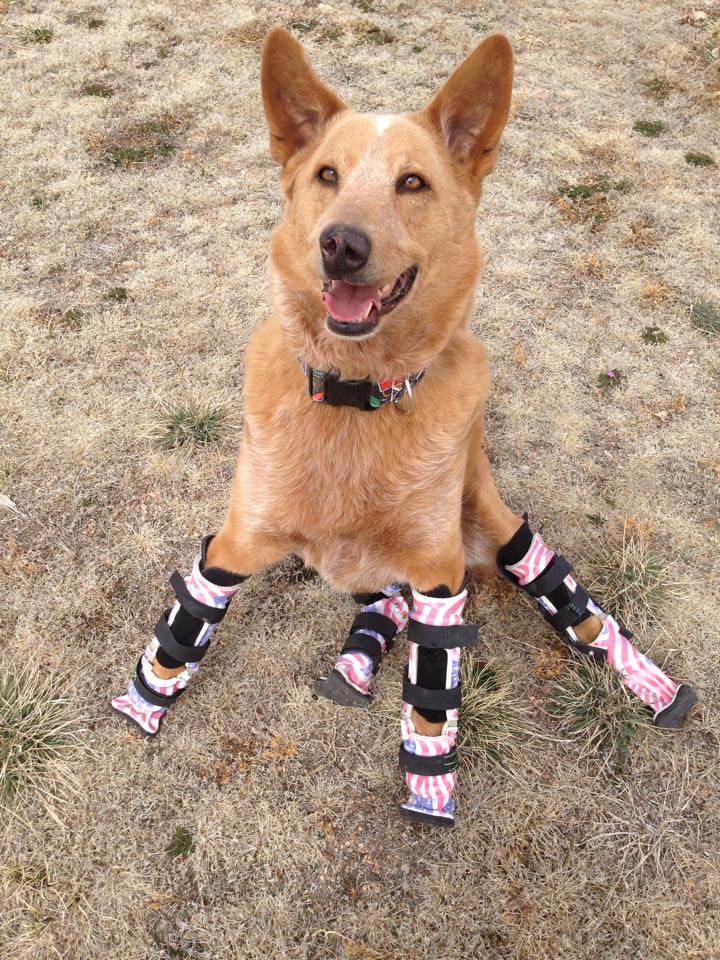
Naki’o lost all four paws and the tip of his tail to frostbite when he was just a puppy. After being nursed back to health at an animal rescue center, he met veterinary assistant Christie Pace, who was looking to adopt an animal who needed help. When she saw Naki’o, she knew he was The One.  She adopted him at eight weeks old and immediately launched a fundraiser to get prosthetics for his back legs.  He did so well with the back leg prosthetics that Orthopets, the company that made them, also furnished him front leg prosthetics for free.  Now Naki’o enjoys life to the fullest and can walk, run, play and even swim!  Just look at that big smile! See more of Naki’o on his Facebook page.

This is a story that demonstrates very clearly that there is a loving home for all pets. No pet should ever be euthanized in an animal shelter because the pet has a disability. Rescue – Recycle – Relove.

cropped-greenpetsamerica-org.jpg

Dogs Souls Not Meant to be Caged

dog cages gpacharities.ush

Set them free…

Dogs were created to be a companion with humans.

Their souls, just as our souls must be free to be fully alive.

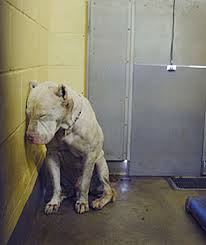
Help us free the souls of 8 million dogs and cats slowly dying in animal shelters in America.

Join us and make a donation today. Donate

Ignorance Kills 4 Million Homeless Pets Yearly

GPACharities.us


We believe that all homeless pets can be saved.

We believe that we must stop killing 4 million homeless pets each year. In this day and age there is no reason that we cannot save them all. 

The only thing that is stopping us is ignorance… Ignorance kills. The antidote to ignorance is education. Education is our vision to create a no-kill America. The only thing that will stop us is good people standing by and not acting.

Please do not stand by any longer and turn a blind eye to the slaughter of the  innocents. Join with us. Help us bring light to darkness. 

Help us educate. Help us save lives. We are your friends, neighbors and community leaders who’ve come together to save lives.

 We are a gold star rated non-profit, recognized for humanitarian services to our communities.

Donate


Treat Canine Problem Behaviors With Nutrients

Image

Rescue Angels (what I call those who rescue a dog or cat) that open their hearts and homes to a new pet have certain challenges to address in many circumstances. The pet surely was in a compromised position that lead to their surrender and abandonment. It could of been a pet with a behavior that the owner couldn’t control.

Most breeds of dogs have evolved to serve a certain specific purpose for humans. Herding, retrieving and guarding are examples. The purpose for which dogs were originally bred influences their physical and behavioral characteristics to this day, even though most dogs no longer have jobs to do for their humans.

Today’s dogs also live inside houses with their families, where they are expected to behave with ‘indoor manners. The natural instincts of dogs are often at odds with their lifestyles today.

As a result, millions of wonderful animals are dropped off at shelters each year by people who can’t or aren’t willing to manage disruptive canine behaviors like aggression, destructiveness,  running away, excessive barking and house soiling. That said, a lot of pet owners are interested in learning how to deal with their pet’s undesirable behavior. Obedience training is the route many dog parents take.

Meanwhile, a handful of researchers are investigating the role nutrition plays in canine behavior, and whether adding or removing specific nutrients from the diet alters a dog’s temperament and conduct.

Dr Karen Becker DVM Wrote This About The Subject:

How Certain Nutrients May Improve Problem Behavior in Dogs

Behavior in animals (including humans) is regulated by neurotransmitters and hormones. These substances have precursors, which are chemical compounds that precede them in metabolic pathways.

The main theory behind nutrition and its ability to alter canine behavior is that making these precursors more – or less – available, may make a difference in a dog’s conduct.

Tryptophan, for example, is the precursor of serotonin (a neurotransmitter). It is believed its presence or absence may affect aggression and stress resistance in dogs.

Tyrosine, a precursor of catecholamines (hormones produced by the adrenal gland), may also affect aggression and stress resistance.

Tryptophan and Tyrosine

Let’s take a look at some of the nutrients being studied for their possible beneficial effects on canine behavior. Unlike tryptophan, tyrosine is usually found in high concentrations in high protein meals.

Low-Protein Diets

Tryptophan is one of the large neutral amino acids (LNAA) that can cross the blood-brain barrier depending on how much free tryptophan and other LNAA are available in the body. Increasing dietary tryptophan through supplementation can increase the amount of serotonin in the brain, which has been shown to reduce aggression and improve recovery from stress in some animals.  Even though tryptophan is found in protein-containing foods, it is in relatively small supply compared to other LNAA. And in fact, a high protein meal actually decreases the ratio of tryptophan to other LNAA. This is why dietary supplementation is recommended.

A few studies conducted outside controlled experimental environments have  been used to measure the impact of lower protein diets on aggressive dogs.

The results are largely inconclusive. In addition, while there may be a link between low dietary protein and decreased aggression in other types of animals, I’m unconvinced this is a useful approach for carnivores.

Just as feeding your dog a raw diet will not, as some people believe, give him a taste for blood and drive him to randomly prey on cows or chickens or sheep, neither do I believe a diet rich in animal protein makes dogs more aggressive.

I would never recommend reducing the amount of high-quality protein in a dog’s diet in an attempt to modify behavior.

Nourishing your pet with a grain-based diet will induce an insulin release (to balance high blood sugar after ingesting a high carb diet), and in turn, a cortisol release (to balance low blood sugar). Similar to people who have 10:00 am and 2:00 pm post-meal sluggishness (and require a nap), dogs will become more sedate after ingesting insulin-prompting carbohydrates.

Nourishing a dog with protein means no post-meal sluggishness … another way of saying, ‘No nap required! Ready to play at any time!’  Although carb-loading has become a common trend with humans, carb loading dogs (to induce the post-carb ‘downer’ effect) isn’t an appropriate behavior moderation tool, in my opinion. Training and exercise are the correct tools to deal with behavior issues, not feeding an inappropriate diet to create a more sedate dog. I absolutely believe the nutrition you feed your companion animal influences the workings not only of her body from the neck down, but also her brain and to some extent her behavior.”

Fascinating information, I always look to Dr Karen Becker and Dr Carole Osborne for their expertise. We’ve dedicated our lives and business to obtaining the “nutrition sweet spot” where canine and feline wellness can thrive. We ask our customers what their goals are? To sustain their dog or to achieve optimum wellness?

The Dogma Natural Pet Market

Valerie Marshall

8420 Main Stree

Woodstock, GA 30188

www.thedogmaonline.com

thedogmaonline@gmail.com

678.460.6364

Alzheimer’s Assistance Dogs

Alzheimers's Therapy Dog
Alzheimers’s Therapy Dog

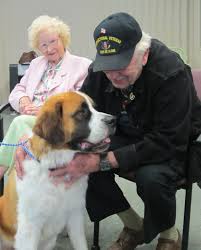
Assistance and therapy dogs provide a range of services and they have been increasing steadily over the past few decades. Now, canine services can add Alzheimer’s and dementia assistance to their list of skills. We are all familiar with guide dogs for the blind and some of us are aware of hearing assistance dogs and dogs that provide help for people with limited mobility but we are only just becoming aware of the fact that dogs provide help for those suffering from mental problems, thanks to media coverage of the U. S. Congress funded study conducted to understand how effective assistance dogs are for veterans of war suffering from PTSD.

People are today living longer due to the effectiveness of contemporary healthcare and higher nutritional standards but a major problem with the elderly is the decline of memory and cognitive ability associated with Alzheimer’s and other various forms of dementia. It is estimated that around 15% of people in the United States who are older than 65 will suffer some form of dementia with an additional 10% who will suffer from Alzheimer’s disease which amounts to around 5.5 million people.

There is no sudden onset in most forms of dementia and people can still have useful, functional, and somewhat independent lives in the beginning and middle stages of the disease if they have adequate assistance and support services in place, however, there are intermittent problems associated with the early stages of memory loss and diminishing cognitive abilities. Dementia sufferers can forget to take their medications or to eat. They get lost easily and cannot find their way home. These experiences leave them feeling frustrated, isolated, angry, and feeling helpless. They begin to feel they are a prisoner in their own home and depend completely on the assistance of others to allow them to go outside.
In the past few years, projects have been put into place to train dogs to assist people with Alzheimer’s and dementia.

Unlike guide dogs for the blind, these dogs do not work on a harness but on a six-foot leash in order to be in front of the person to actually lead them in the correct direction. When the order “Home” is given, the dementia assistance dog’s main task is to get his charge home. If the patient forgets to give the home order or wanders far from the house and into unfamiliar areas, caretakers can activate an electronic GPS navigation device installed on the dog’s collar which, not only locates the missing pair, but emits a recognizable tone which the dog interprets as an alternative command to lead his patient home. If for some reason the patient is not able to accompany the dog home, the dog is trained to stay with him and start barking to call attention to the situation. Should the patient wander from the house without his assistance dog, the dog is trained to track him by scent.

Because dogs love predictability and routine, this forms the base of training for dementia assistant dogs. They are trained to assist their charge through the day, to respond to other sound triggers in the home and to trip an alarm in the house should the patient fall and not get up within a reasonable period of time or if they hear a choking sound. But just as important, these therapy dogs offer companionship and friendship for their owner. They help to maintain a meaningful daily routine which adds quality of life and by walking their dog daily, they promote exercise and encourage social interaction between their patient and other people. These positive social interactions reduce loneliness and isolation in the dementia patient. Being out and about with their dog provides the patient with a sense of independence reducing feelings of helplessness and dependency which can led to depression which Alzheimer’s and dementia sufferers often encounter.

Info courtesy of:  Chocolate Dog Ad., Inc.

GPA_Logo10410

Can Your Dog Think?

 i luv 400dpi

What’s in a dog’s mind?  That has been the age-old question that man has had about the lovable canine species. Dogs and humans have had a long-standing history together that dates as far back as 30,000 B.C. While there are many differences between the two species, there are also some surprising similarities that are worth exploring.

It is estimated by historians that in 30,000 B.C., Paleolithic humans hunted alongside wild dogs. Dogs were buried with humans as far back as 12,000 B.C., which depicts the love between man and canine and that dogs were valued just as greatly as people. Different dog breeds were domesticated and easily distinguished by 10,500 B.C., and then, by 1,500 C.E., the oldest modern dog breeds were formed. These include the mastiff, terriers, herding dogs, sight hounds, chows, Asian Spaniels, the Spitz and Native American dog breeds.

Dogs can also experience a disorder known as separation anxiety, which makes them feel overly anxious when they are not with their owner or the one person they love the best. This disorder can be quite serious and the dog can act out in a variety of ways that will cause grief to the owner.

Dogs, like humans, can experience phobias. The most common include thunder, being left alone, vets, strangers, stairs and even riding in cars. A phobia of course is an irrational fear of something. Dogs can experience dreams around 20 minutes after they fall asleep. You can tell when your pet is dreaming as it moves while asleep or makes soft noises.

Like humans, dogs have the capacity to feel love. This is due to the hormone oxytocin, which is found in both species. Dogs can also feel an array of additional emotions, such as anger, joy, fear, excitement, distress, contentment and disgust. However, unlike the human race, dogs cannot feel shame, guilt, pride or contempt.

Having 4 dogs myself and rescued hundred through our rescue group Green Pets America I can assure you dogs are quite smart. They have a better handle on their emotions than we do. They don’t carry grudges, don’t judge, and accept us crazy humans just as we are. A dog will not try to change you…he accepts you for just who you are and loves you as is.

large_pet_bowl